Operations | Monitoring | ITSM | DevOps | Cloud

PagerDuty Launches New Innovations to Reduce Tool Sprawl and Optimize Operations

The number of tools used by distributed teams to manage incidents has multiplied over the years, leading to a valley of tool sprawl. Throw in manual processes and you’ve got too much toil and multiple points of failure. Maintaining disparate tools and systems isn’t just unwieldy, it’s expensive. Our latest capabilities add to the PagerDuty Operations Cloud to make it easier than ever for teams to consolidate their incident management stack.


7 Types of Incident Response Tools

Incident response tools are software applications or platforms designed to assist security teams in identifying, managing, and resolving cybersecurity incidents. Incident response is a crucial part of an organization’s cybersecurity strategy, making it possible to detect threats, analyze vulnerabilities, respond to attacks, and recover from security breaches. Incident response tools are vital for safeguarding organizations against evolving cyber threats.

Don't Just React to Incidents-Prevent Them

Incident response has been the cornerstone of reliability for decades. From digging in the server logs to navigating modern observability dashboards, responding quickly to incidents and outages is a big part of minimizing downtime. And it should be! When something breaks, your team should move as quickly as possible to address and repair the problem.

Top 3 Incident Response Problems AIOps Can Help Your Teams Solve

More data for data’s sake doesn’t help anyone. What organizations need is more information–actionable insight. With data coming from incoming streams of events and alerts, teams don’t have enough time to look at each one. And they struggle to parse and consolidate this data in order to figure out what they need to do next to resolve an incident.

Building a culture of incident response

At Vanta, our goal is to nurture a positive security culture in everything we do—which is especially critical given that helping our customers improve their security and compliance posture starts with our own. Employees are the key to our security resilience, so we strive to build and support a strong culture of incident response in tandem. Here’s what that means to us at Vanta.

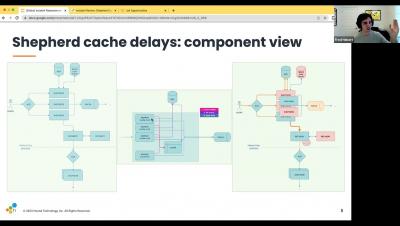
Join Jeli and Honeycomb for an Incident Response and Analysis Discussion

Solutions Engineers Vanessa Huerta Granda and Emily Ruppe from Jeli, along with Honeycomb’s Field CTO Liz Fong-Jones and SRE Fred Hebert discuss some of our more interesting recent incidents and how we use Honeycomb and Jeli together for incident response.

How to define roles for your incident response team

Agility matters in incident response, and the easiest way to spring into action is by having a well-defined team in place ahead of time. The right people in the right roles will help you respond to and resolve incidents more quickly and efficiently. In fact, we found in the Incident Benchmark Report that incidents with roles assigned had a 42% lower mean time to resolution than those that didn’t. But what roles do you need to fill?

Game Day: Stress-testing our response systems and processes

At incident.io, we deal with small incidents all the time—we auto-create them from PagerDuty on every new error, so we get several of these a day. As a team, we’ve mastered tackling these small incidents since we practice responding to them so often. However, like most companies, we’re less familiar with larger and more severe incidents—like the kind that affect our whole product, or a part of our infrastructure such as our database, or event handling.

How to choose the right Incident Management software?

Software programs known as incident management solutions assist organizations in managing occurrences, tracking and monitoring incident response activity, and evaluating the performance of their incident response teams. They are crucial to any organization’s incident response strategy and can aid teams in coordinating their efforts, getting in touch with key stakeholders, and preserving their work.

How We Manage Incident Response at Honeycomb

When I joined Honeycomb two years ago, we were entering a phase of growth where we could no longer expect to have the time to prevent or fix all issues before things got bad. All the early parts of the system needed to scale, but we would not have the bandwidth to tackle some of them graciously. We’d have to choose some fires to fight, and some to let burn.