We've officially launched Application Metrics! In this video @nikolovlazar is introducing you to them and is showing you how to use them. Each plan gets 5GB of Application Metrics for free. Chapters.
PagerDuty’s monthly drops are here! May’s drop delivers innovation, helping teams work faster and smarter with four major updates: SRE Agent Enhancements: Triage just got turbocharged. New connectivity + new capabilities = faster resolution. Shift-Based Schedules (GA planned for May): Schedules are more flexible than ever. Quick start options, custom shifts, and multi-responder support for shadow training or increased coverage.
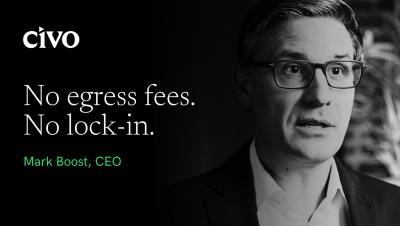
With hyperscalers, growth comes with a hidden cost. The more your data moves, the more you pay, by design. Egress fees are that cost. A model built to discourage migration, limit flexibility, and keep you trapped in their ecosystem. At Civo, we've eliminated that barrier completely. No egress fees, no hidden charges. Every cost is transparent and predictable, so you always know exactly what you're paying for. You stay because you choose to. That's cloud freedom.
It was 11:47pm on a Thursday night, and a senior platform engineer at a large North American bank was rolling back a ‘simple’ configuration change. The change itself was small, a routine update approved through the usual review process, but when it was applied, pods began cycling and connections started dropping. For the next three seconds, mobile banking sessions already mid-transaction dropped. Customer support lit up.
A few weeks ago, we shipped cascading replication for PostgreSQL, MySQL and Redis on Cloud 66. Customers can now build replication chains: a primary streaming to a middle replica, which in turn streams to leaves. It reduces load on the primary, supports geographic distribution, and stops you from melting your network when you have a large fan-out of replicas all pulling WAL from the same machine. PostgreSQL has supported cascading replication natively since version 9.1, which shipped over a decade ago.
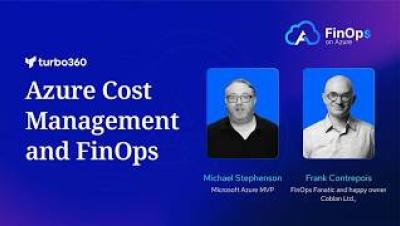
In this episode of FinOps on Azure, Michael Stephenson sits down with Frank Contrepois, independent FinOps voice and co-host of The FinOps Guys podcast — to explore what it really means to manage cloud costs from a business-first perspective. Frank has been in the FinOps space for nearly a decade and brings a genuinely different angle to the conversation. His background in commodity trading at Strategic Blue (a Morgan Stanley spinoff) shaped how he thinks about reserved instances, commitment strategies, and why most teams approach cost management the wrong way round.
Understand the real difference between observability and monitoring — and why modern IT teams in 2026 need both. Monitoring tells you something is broken; observability explains why. See real examples, faster troubleshooting workflows, and how Motadata ObserveOps unifies both in one platform. Don’t forget to like, share, and subscribe for more IT insights.
In this episode of Masters of Data, we get into the messier side of AI adoption, tackling questions like who actually owns the output when AI gets it wrong, and whether chasing efficiency is making us forget what it means to be human in the first place. We discuss tech CEOs proudly announcing they no longer think for themselves and debate whether AI is quietly eroding our critical thinking skills. We make the case that purpose-built, narrow AI is genuinely exciting, but that no efficiency gain is worth losing the human touch that makes work, connection, and creativity meaningful.