In an era of rapid digital transformation, IT leaders and DevOps teams face mounting pressure to align IT metrics with business goals, simplify tool sprawl, and manage costs effectively.
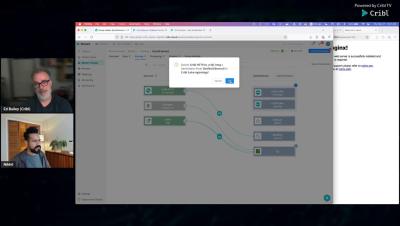
Join us LIVE on YouTube, X, and LinkedIn as we explore the latest features and hidden gems of the Cribl Suite! In this episode, we're going to show you how to streamline agent management with Cribl Edge and Cribl Copilot!
"CFEngine: The agent is in" is our monthly webinar series, where we show new features, teach best practices, and keep the community informed about everything CFEngine.
If you’re reading this, chances are you’re already familiar with OpenTelemetry (OTel)—the open-source standard for collecting observability data. But what about OpenTelemetry agents? How do they work, and why do they matter? This guide unpacks everything you need to know about OTel agents—where they fit in your stack, how to set them up, and common pitfalls to watch out for. Let’s get into it.
Nginx is widely known for its high performance and reliability. However, just like any software running in production, it requires continuous monitoring to ensure smooth operation. Issues such as high latency, unexpected crashes, or overwhelming traffic spikes can lead to performance degradation or even complete outages. Therefore, implementing a robust monitoring strategy is crucial to maintaining the health and stability of your Nginx deployment.
Do you feel like you're solving a puzzle when deploying applications in Kubernetes? You are not alone in this! When something goes wrong during application deployment, it becomes all the more crucial to diagnose the issue methodically and get things back on track. This guide walks you through practical steps for troubleshooting deployment failures efficiently.
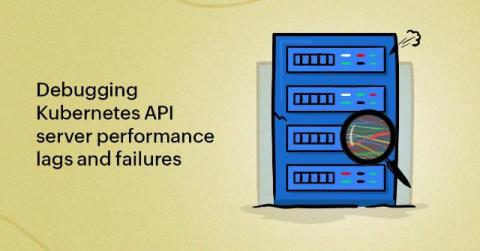
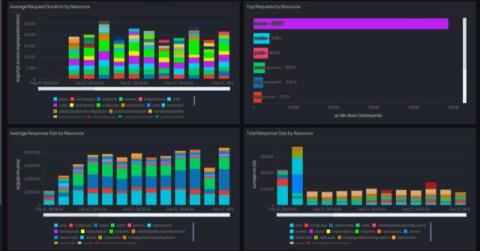
The Kubernetes API server is a key component in the control plane. Every interaction, whether deploying applications, scaling workloads, or monitoring system health, depends on the API server. Consider the human body: We have the brain as the critical organ, and the nerves function as the control system. The Kubernetes API server is like the nerve center of cluster management.
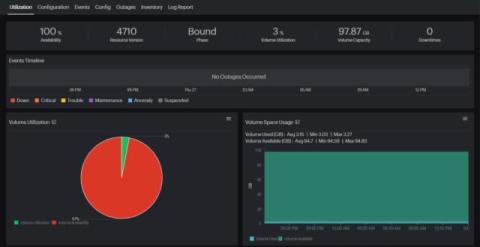
Persistent storage is the backbone of stateful applications running in Kubernetes. Whether you are managing databases, logs, or application states, ensuring transactional data remains intact despite pod restarts or node failures is a challenge. In this blog, we will discuss the most common persistent storage issues in Kubernetes and how to handle them with practical, real-world solutions.
Network monitoring protocols are essential for keeping your network running smoothly. They are data-collection and analysis techniques that provide insights into the health of your network and can help you identify and fix network problems before they cause major disruptions. Think of your network like a city's road system: data packets are cars, routers are traffic lights, and switches are intersections.
Today’s workers want immediacy in a world that’s always on. Luckily, automation tools have evolved to help ITSM teams meet demand. According to global research from the SolarWinds State of ITSM Report, surveyed companies using automation miss service-level agreements (SLAs) at a rate 11% lower than those without. Let’s unpack this finding. READ THE REPORT.