The latest News and Information on APIs, Mobile, AI, Machine Learning, IoT, Open Source and more!
Why this combination you ask? Load testing is my passion, and I am partial to Kubernetes. I challenged myself to share a use case that many could relate to, focused on a business critical application. Websites came to mind and WordPress is the world’s most popular website management system. Of course, nginx is the most popular web server so let’s throw that into the mix. And Kubernetes? With more than 50% of corporations adopting Kubernetes in 2021, what better system to run in.
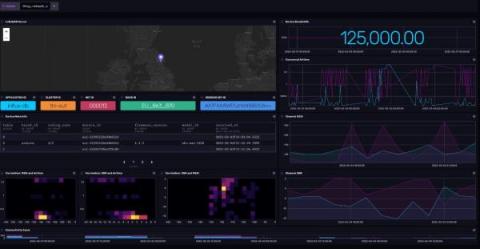
Back in 2019, David Simmons created an awesome blog introducing LoRaWAN devices and The Things Network. He also showed you how easy it was to connect The Things Network V2 to InfluxDB. Since then, a few things have changed and I thought it was time to revisit the Things Network with a new project.
Python code optimization may seem easy or hard depending on the performance target. If the target is “best effort”, carefully choosing the algorithm and applying well-known common practices is usually enough. If the target is dictated by the UX, you have to go down a few abstraction layers and hack the system sometimes. Or rewrite the underlying libraries. Or change the language, really. This post is about our experience in Python code optimizations when whatever you do is not fast enough.