Mailchimp
Not subscribed to OpsMatters Newsletter


This week we are excited to officially announce the launch of our new Splunk Community with a re-imagined experience! The Splunk Community first launched nearly eleven years ago and today over 12,000 monthly active members visit our site to engage, learn, answer questions and give back!
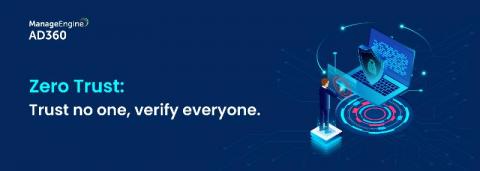
The increasing adoption of cloud applications and an expanding remote workforce are redefining network security. In a traditional setting, the emphasis was on perimeter-based security—assuming that everything behind the corporate firewall is safe. However, it’s clear that organizations have to rethink the philosophy of implicit trust in a corporate network.
In the first article, we talked about CI or Continuous Integration. This post looks at the second half of the CI/CD acronym, Continuous Delivery. Continuous delivery takes the build originating in the CI process and puts it into an acceptance environment for further evaluation before promoting the code to production (the released version). To back up a moment, CI is the planning, coding, testing, and building of software in a rapidly repeating process.
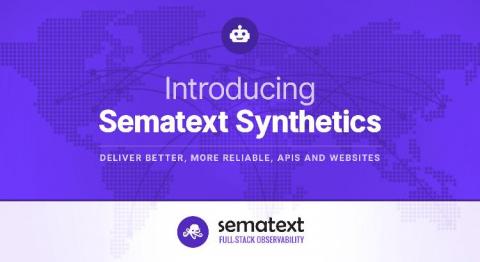
No matter which path of the stack you work on, it’s crucial you make sure your website or API is up and running. We wanted to create a tool that can give you superpowers. Enter, Sematext Synthetics! You can monitor the availability of APIs and websites as well as their performance, and user journeys. This means 24×7 monitoring from multiple locations around the globe with alerts when things go wrong!
Whilst researching recent client-side attacks our security team observed a highly-sophisticated self-cleaning and self-destructing skimmer on the popular hardware tool website Greenworks. The hack was first spotted by RapidSpike’s Client-Side Security Scanner on June 8th, and at the time of writing, the hack is still live on www.greenworkstools.com/.