Operations | Monitoring | ITSM | DevOps | Cloud

PagerDuty Helps Microsoft Azure and Visual Studio Customers Manage Incidents in Real Time and Migrate Confidently to the Cloud

SAN FRANCISCO – May 7, 2018 – Today at Microsoft Build 2018, PagerDuty, a global leader in digital operations management, announced integration of PagerDuty’s real-time operations management platform with Microsoft Azure and Visual Studio Team Services, Azure’s integrated suite of DevOps services.

MTTD vs. MTTF vs. MTBF vs. MTTR

Development and operations (DevOps) teams must measure their day-to-day progress. Otherwise, these teams won’t know how they are performing at a given moment. Worst of all, DevOps teams that lack data-driven insights risk falling behind, missing service-level agreement (SLA) requirements and encountering various service problems that could put a company, its employees and its customers in danger.

Uptime and Response Time Graphs

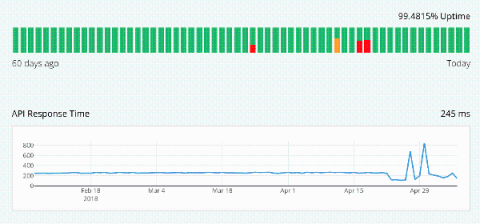
As one of the most requested features we are happy to officially introduce the Uptime and Response time graphs. Setting up an uptime graph requires zero configuration, it’ll be added automatically to your status page (for startup & business subscribers) and you can choose to hide it in the design page of your admin panel.

Announcing variable substitution in Stackdriver alerting notifications

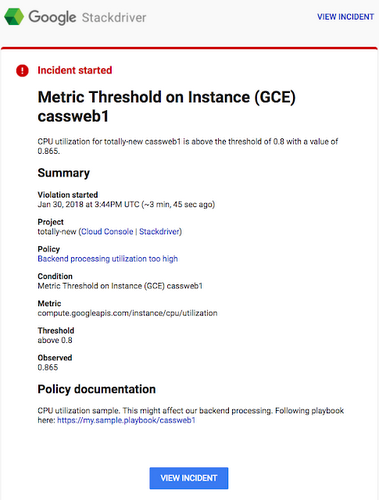
When an outage occurs in your cloud application, having fast insight into what’s going on is crucial to resolving the issue quickly. If you use Google Stackdriver, you probably rely on alerting policies to detect these issues and notify you with relevant information. To improve the organization and readability of the information contained in these alerts, we’ve added some new features to make our alerting notifications more descriptive, useful and actionable.

OnPage Launches BlastIT: Messaging for the Masses

Imagine you’re the manager for the IT Operations for a multimillion-dollar retail chain. The chain not only has numerous stores throughout the U.S. but also a robust online presence. Now imagine that you need to conduct security and software updates on the company’s servers. The update will end up disrupting store services for 30 minutes after the work day.

How a Status Page Can Be Your One-Stop Crisis Management Platform

Whether there’s a crisis or scheduled maintenance on your servers, you need to keep your customers informed during these down times. Instead of using multiple tools in your crisis management process, your IT team can use one platform. Status pages can solve multiple issues in one location instead of using your web page, email, phone and ticket system to notify customers. This also helps to let them know about maintenance updates before they happen.