Welcome to o11ycon2018 - Charity Majors
Welcome to the first ever #o11ycon!


The term DataOps was coined back in 2015 but only really became a significant force in professional circles during the latter part of 2017. But what is this latest tour de force in software development methodology?
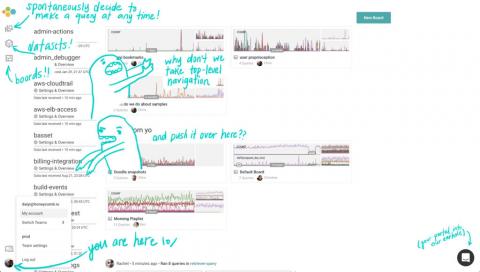
Welcome to a fresh new Honeycomb navigation! At the hive, we’ve been working on making navigating your Honeycomb environment simpler and more intuitive, and just deployed some changes that we hope you’ll agree have made progress toward that goal.
The Sumo query language can be a source of joy and pain at times. Achieving mastery is no easy path and all who set on this path may suffer greatly until they see the light. The Log Operators Cheat Sheet is a valuable resource to learn syntax and semantics of the individual operators, but the bigger questions become “how can we tie them together” and “how can we write query language that matters?”
August is flying by, but hopefully there’ll still be time to enjoy a few more summer evenings. This week we’re sharing the video demoing the new Explore UI in Grafana from last week’s PromCon, monitoring VMWare’s VKE with Prometheus, hosting a blog on a budget and more.
This article describes two Windows Performance Monitor disk queue length counters—Current Disk Queue Length and Average Disk Queue Length—identifies potential problems, and provides basic solutions.
PromCon was held this week in Munich, Germany, and Grafana Labs was excited to both sponsor and speak at this great conference. If you didn’t have a chance to attend, you can watch a recorded livestream of the event and download slides in the blog roundup below.
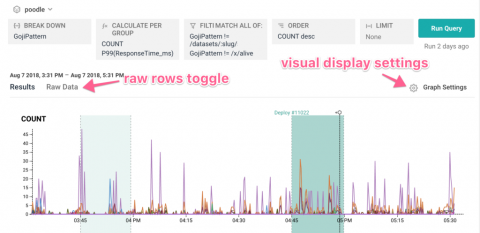
This week we’re shipping a few changes to our Query Builder interface. While they may appear small, they are the first steps in a larger plan that will help you more easily share your own observations about queries with your teammates, all around Honeycomb.