The latest News and Information on Containers, Kubernetes, Docker and related technologies.
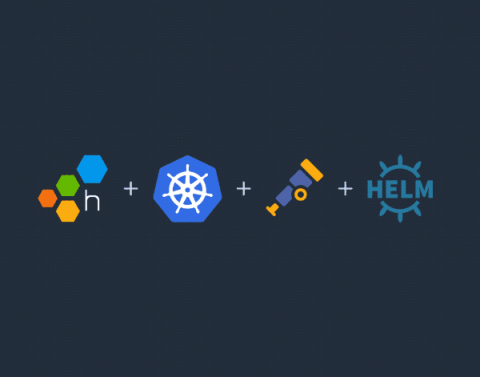
While Kubernetes comes with a number of benefits, it’s yet another piece of infrastructure that needs to be managed. Here, I’ll talk about three interesting ways that Honeycomb uses Honeycomb to get insight into our Kubernetes clusters. It’s worth calling out that we at Honeycomb use Amazon EKS to manage the control plane of our cluster, so this document will focus on monitoring Kubernetes as a consumer of a managed service.
With the growing popularity of Kubernetes as a container orchestration platform powering the microservices revolution, comes greater complexity with managing, monitoring, and responding to incidents at scale. Challenges with real production environments include full visibility into your clusters and environment’s health, alongside real-time incident management and response.
Kubernetes is the gold standard for container orchestration at scale. While massive global companies like Google, Spotify, and Pinterest rely on Kubernetes to run their software in production, so do many small but mighty developer teams. (Full disclosure: Honeycomb joined the Kubernetes brigade last year, when we migrated some of our services.)
18 million — that’s the number of developers around the world who use Docker, the popular tool for containerization. Docker Desktop, a software application for Mac, Windows, and Linux, is one of the most widely used tools within the Docker ecosystem, especially among developers who want to build, test, and deploy applications in containers on their local machines.