Operations | Monitoring | ITSM | DevOps | Cloud


ilert ChatOps: Check on-call status on Slack

How to improve your IT alert management: Understanding best practices
As an IT leader, you’re under significant pressure to control the constant alerts. Somehow, you must manage non-stop IT alerts while also ensuring ultra-high service availability. The task is far from easy, and even the most sophisticated teams struggle to keep up and turn alerts into action with tech stacks that are constantly growing in size and complexity. IT alert management is the first line of defense.

What is Incident Management? Unpacking the Complexity
In the increasingly digital world, tech-savvy professionals strive to maintain reliable and efficient operations that ensure customer satisfaction and uphold trust. Incident Management is an essential component in achieving those goals. This article delves into the complexities of Incident Management, highlighting essential tools and processes that contribute to effective response and resolution strategies.

Compound Alerts Within Database Observability Drive Actionable Alerting

Automate insights-rich incident summaries with generative AI
Does this sound familiar? The incident has just been resolved and management is putting on a lot of pressure. They want to understand what happened and why. Now. They want to make sure customers and internal stakeholders get updated about what happened and how it was resolved. ASAP. But putting together all the needed information about the why, how, when, and who, can take weeks. Still, people are calling and writing. Nonstop.
Anodot FinOps Roundtable - From Cost Control to AI driven FinOps

Managing Databases on AWS: A Practical Guide
Amazon Web Services (AWS) provides a range of managed database services that provide multiple database technologies to handle various use cases. They are designed to free businesses from tasks like database administration, maintenance, upgrades, and backup. AWS databases come in several types to cater to different business needs.
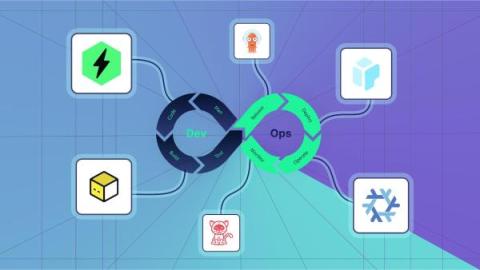
14 DevOps and SRE Tools for 2024: Your Ultimate Guide to Stay Ahead
As we approach 2024, the DevOps and SRE landscapes continue to evolve, bringing forth a new generation of tools designed to enhance efficiency, scalability, and reliability in software development and operations. In this post, we'll dive into some of the most promising tools that are shaping the future of Continuous integration and deployment, monitoring and observability, infrastructure/application platforms, incident management & alerting, security, and diagramming.