Operations | Monitoring | ITSM | DevOps | Cloud

The latest News and Information on DevOps, CI/CD, Automation and related technologies.

Prometheus vs. AppDynamics

‍In the fast-evolving landscape of technology and software applications, ensuring optimal performance and reliability has become paramount. This article delves into two powerful tools that facilitate effective monitoring and management of digital systems: Prometheus and AppDynamics. With a focus on different aspects of application performance, these tools offer distinct advantages to businesses aiming to elevate their user experiences and operational efficiency.
Unveiling Komodor's Network Mapping Capability

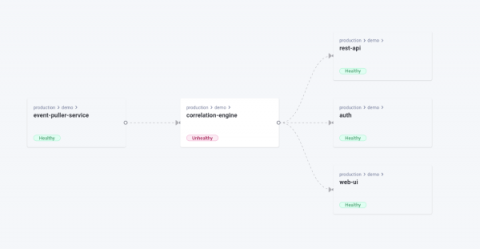
I am happy to share that thanks to the power of the open-source community, and our friends over at Otterize, we have now enhanced our Kubernetes offering for developers with another visual aid to streamline operations and troubleshooting – Dependencies Map. The Otterize network mapper is a zero-config tool that aims to be lightweight and doesn’t require you to adapt anything in your cluster.

Troubleshooting and Fixing Kubernetes CrashLoopBackOff

In this post, we'll dive into what CrashLoopBackOff actually is and explore the quickest way to fix it. Fasten your seat belts and get ready to ride. Everyone working with Kubernetes will sooner or later see the infamous CrashLoopBackOff in their clusters. No matter how basic or advanced your deployments are and whether you have a tiny dev cluster or an enterprise multi-cloud cluster, it will happen anyway. So, let’s dive into what CrashLoopBackOff actually is and the quickest way to fix it.

Canonical Kubernetes 1.28 is now generally available

Following the release of upstream Kubernetes on 15th of August, Canonical Kubernetes 1.28 is generally available in the form of MicroK8s, with Charmed Kubernetes expected to follow shortly. We consistently follow the upstream release cadence to provide our users and customers with the latest improvements and fixes, together with security maintenance and enterprise support for Kubernetes on Ubuntu.

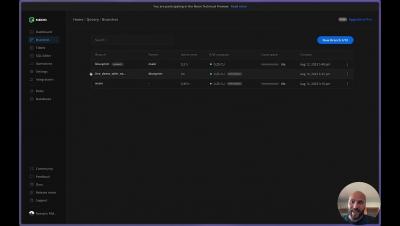
Neon and Qovery - The Perfect Match for Preview Environments

Hey guys, it's Romaric from Qovery. In this video, I'll show you how to combine Neon, a Postgres serverless solution, with Qovery to easily create and clone Postgres serverless instances. I'll walk you through the process step by step, demonstrating how to spin up a new serverless instance from Neon and connect it to a to-do application. The key point is that with Neon, you can create a branch from the original environment, make changes in the branch, and those changes will only affect that branch, not the parent environment. It's a powerful feature that allows for easy experimentation and isolation. So let's dive in and see how it works!

DevOps language trends 2023: Top tools used by elite software delivery teams

As organizations continue to embrace CI/CD and DevOps in their quest for shorter, more reliable delivery cycles, the choice of programming languages becomes even more critical. The language used to build your applications can affect everything from developer happiness and productivity to your organization’s performance on the four key software delivery metrics.

The 15 Best Cloud Reporting Tools To Consider In 2023

Cloud infrastructure and the applications it hosts generate millions of rows of raw data in short periods. Viewed in the context of everyday business activities, most of the data makes little sense. So many companies amass mountains of this type of data in data lakes and data warehouses, hoping to figure out how to use it later but end up never tapping into it.

How Real-Time Asset Tracking Transforms Data Center Operations

Using real-time asset tracking, data centers can identify the exact location of any given asset at any given time. This can be extremely useful in ensuring that available resources are optimally utilized. For instance, understanding the current status and location of servers, racks, and other hardware can streamline maintenance operations and reduce downtime.