Operations | Monitoring | ITSM | DevOps | Cloud

The latest News and Information on DevOps, CI/CD, Automation and related technologies.

Creating a thriving, agile, remote team

The coronavirus (COVID-19) pandemic has forced many organizations to take unprecedented steps towards remote working. As a fully distributed team, we’ve faced the common challenges of remote work. Based on our experience from our very beginning in 2018, all but a few of these organizations new to remote working will face hurdles to overcome and may try to revert to colocation as soon as possible. Remote working is hard, even when it’s carefully planned and executed.
Kubernetes Master Class: Monitoring and Alerting with Prometheus & Grafana

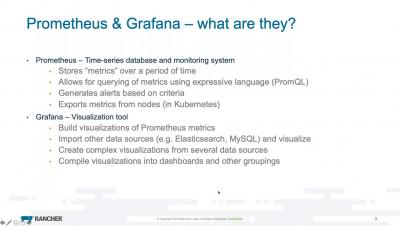
Rancher users and operators can collect custom metrics, automate alerts, notifications, and actions, and create cluster and project-level dashboards. In this class, you'll learn how to setup alerts with Rancher and Prometheus Alert Manager to find problems in your clusters before there's an outage. You'll also learn to visualize metrics for Kubernetes and for your applications so you can gather new insights to your users' usage patterns and your applications' run-time behaviors.

How to deploy and monitor software with speed and confidence using Octopus Deploy and Raygun

In this live demonstration, you’ll witness experts from Octopus and Raygun deploying software into production and monitoring the impact of these changes in real-time. Learn first-hand how to seamlessly configure deployments, identify issues, and track performance gains.

Second- Generation DCIM

DCIM software is a new class of software that gives data center operators the ability to run efficient data center operations and improve data center infrastructure planning and design. It typically replaces Excel, Visio, and home grown databases. DCIM software can bridge information across organizational domains – Data Center Ops, Facilities, and IT to maximize utilization of the data center.

StackState's Health Forecasting

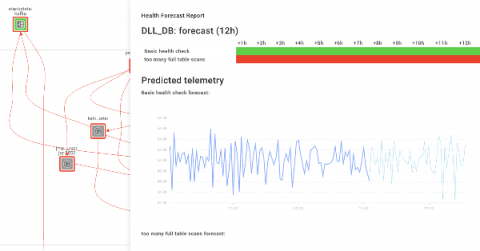
Forecasting health is vital in today's society. Who has the highest risk of getting a virus? Are you able to predict when this will happen? Knowing answers to these questions could save many lives. Forecasting the health of IT infrastructures is equally essential. Think of identifying databases that are about to stop serving requests in a timely matter, hard drives that are about to run out of space, or Service-level agreements (SLA's) that are about to cross the set thresholds.

When Dedicated DevOps is Not Available

With the rise of cloud computing and modern distributed systems, we also witnessed the rise of a new practice area: DevOps. Despite being fundamental for smooth cloud operations, a dedicated DevOps practitioner is a luxury most teams can’t afford. Salaries average $130K in San Francisco, for example. When a dedicated DevOps practitioner is not available in our team, what should we do? The answer could unfold a multitude of aspects.

How to launch IoT devices - Part 4: When to ask for help

(This blog post is part of a 5 part series, titled “How to launch IoT devices”. It will cover the key choices and concerns when turning bright IoT ideas into a product in the market. Sign up to the webinar on how to launch IoT devices to get the full story, all in one place.) First part: Why does IoT take so long? Second part: Select the right hardware and foundations Third part: IoT devices and infrastructure

Building a Raspberry Pi cluster with MicroK8s

The tutorial for building a Raspberry Pi cluster with MicroK8s is here. This blog is not a tutorial. This blog aims to answer; why? Why would you build a Raspberry Pi cluster with MicroK8s? Here we go a little deeper to understand the hype around Kubernetes, the uses of cluster computing and the capabilities of MicroK8s.