Operations | Monitoring | ITSM | DevOps | Cloud

The latest News and Information on DevOps, CI/CD, Automation and related technologies.

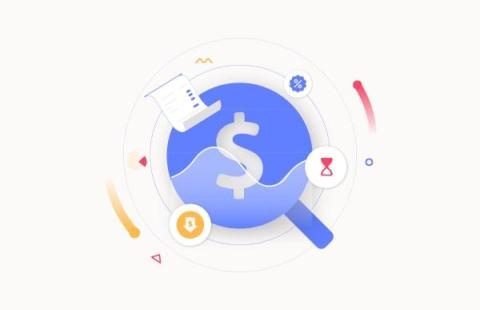
Azure Cost Reporting to boost cloud resilience and reduce costs

Managing costs within your Azure datacenter is a crucial aspect of ensuring efficiency and optimizing resources. The Azure portal has Azure Cost Management Reports embedded, offering a detailed lens into your cloud spending. In this article, we’ll explore the ins and outs of these reports, their key metrics, best practices, and how to generate and interpret cost reports.
What Is AWS Graviton? Here's When To Use It

When Amazon Web Services (AWS) launched its new Arm-based processors, some circles believed it was a game-changer for the public cloud markets. To begin with, it was the first time Arm architecture would roll out for enterprise-grade utility, and at a colossal scale. Arm processors had only run on smaller, less demanding devices such as iPhones. So why adopt it for much more demanding workloads in cloud services?

Measuring the impact of your reliability work with reports

Improving reliability is important, but how do you prove that your efforts are having an impact? A critical part of reliability work is having the tools to measure and track your progress. Gremlin supports this by providing several built-in reports, which update automatically and are available on-demand. This blog post is a quick introduction to Gremlin’s reporting capabilities.

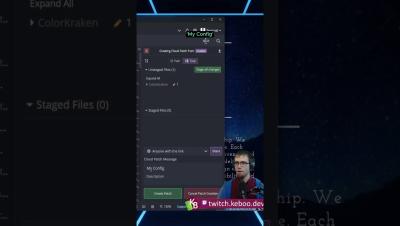
Setting Up Your First Cloud Patch in GitKraken Client #shorts

So, you flipped the switch to enable Cloud Patches in GitKraken Client's experimental features. ✅ What's next? 🤷 Follow GitKraken Ambassador Kevin Bost (@kitekeboo) through naming & permissions settings for Cloud Patches, allowing you to easily share code with yourself, your colleagues, or anyone else within your org. 👍

AI vs. ML: What's the Difference? + What is #aiops in 60 Seconds | #backtobasics | LogicMonitor

Ever wonder what #machinelearning (#ml) really means? Or how it's different from #ai? What even is #aiops? This #BackToBasics short explains it ALL in plain English! #shorts Follow us...

What's new with Google Cloud for 2024

Google Cloud, the number three player in the global IaaS and PaaS sectors, secured a market share of 10% towards the end of 2023 with similar commitments to AI that we’re seeing across the cloud provider board. Although growth at Google Cloud hit 24% year-on-year in Q3, according to Canalys, performance was lower than expectations as the cloud provider struggled more than its peers with the delayed impact of enterprise’ IT cost-cutting measures.

What is Kubernetes Architecture?

Kubernetes is an open-source platform designed to automate deploying, scaling, and managing containerized applications. It groups containers that make up an application into logical units for easy management and discovery. Understanding the architecture of Kubernetes is crucial for anyone who works with this platform. It helps you to better understand how different components of a Kubernetes cluster interact with each other and how applications are run on this platform.

Mastering IPM: Protecting Revenue through SLA Monitoring

If you’re an SRE, then you already know your SLOs from your SLAs, not to mention your SLIs. But even if you’re not au fait with those acronyms, you’ll soon discover how widespread and applicable these concepts are in this installment of our IPM Best Practices Series. We’ll explore these concepts in detail and explore how external monitoring can enhance the tracking of Service Level Objectives (SLOs), leading to positive user experiences and informed decision-making.

Monitor your OpenStack components with Datadog

OpenStack is an open source cloud platform that enables customers to provision and manage compute, storage, and networking resources via web-based dashboards or APIs. OpenStack offers a range of services beyond standard infrastructure-as-a-service functionality, including orchestration, fault management, and service management components. These components help customers build, maintain, and scale high-availability applications.