An Introduction To AWS CloudFront Functions
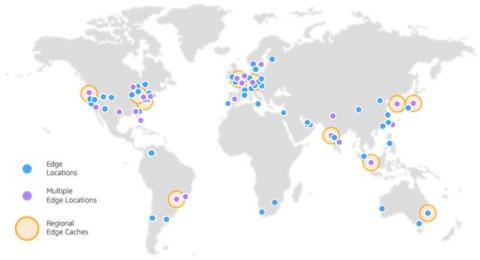
CloudFront Functions allow you to deploy serverless JavaScript functions to AWS' network of edge locations to be executed as close as possible to end-users. This article will get you started.


The latest News and Information on Monitoring for Websites, Applications, APIs, Infrastructure, and other technologies.
CloudFront Functions allow you to deploy serverless JavaScript functions to AWS' network of edge locations to be executed as close as possible to end-users. This article will get you started.
At Avantra, we always comment that the customers who need us most are too busy to meet with us. It is so common that SAP operations professionals turn up to meetings late, reschedule at short notice, or are not really present - instead, working on their laptop to solve problems. What is curious is that this is normalized, and has been going on for decades without change. How can this be? Let’s dive into this.
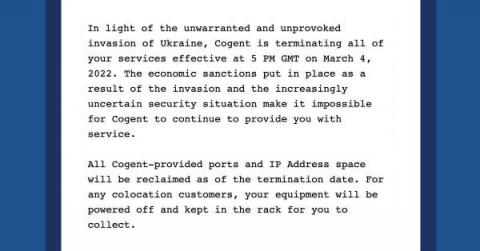
Reader’s note: On Friday, March 4, we published this blog post to comment on Cogent’s decision to terminate their commercial relationships with their Russian customers. Today, March 7, another international telecom, Lumen, announced that it will also take action. We’ve updated this blog post to reflect the latest information we have.
Logs are records of system events and activities that provide valuable information used to support a wide range of administrative tasks—from analyzing application performance and debugging system errors to investigating security and compliance issues. Large-scale production environments emit enormous quantities of logs, which can make them more challenging to manage and introduces the risk of losing important data if underlying resources run out of space.
We sympathize with the IT teams that keep their networks running – we really do. We understand it’s a thankless job where they’re ignored if everything’s working and blamed when everything’s not. That’s why we’ve tried to make our network infrastructure and application experience (AX) products as simple and intuitive as possible.
Ah, I too have wondered about this. TL;DR: The Resource says what program is sending these spans and where it’s running. You can skip it if you define OTEL_SERVICE_NAME in the environment. When I’m setting up tracing (for instance, in a Node.js app), I have to create a Resource object in order to set up the OpenTelemetry SDK: If I don’t define that resource parameter, then tracing will still work. But my spans will show up with aservice.name of unknown_service:node.
If you’re working with microservices in a large distributed environment, you’ve probably got your monitoring and logging on lock, and you may even be lucky enough to have properly instrumented APM (distributed tracing) for consumer calls. But, did you know you’re likely still facing an observability gap? How many incidents have you worked that required hours of sleuthing only to end with a single team needing to roll back a deployment? It’s more common than you may think!