Operations | Monitoring | ITSM | DevOps | Cloud

The latest News and Information on CyberSecurity for Applications, Services and Infrastructure, and related technologies.

What is Zero Trust Security and Why Should You Care?

Automation has become a game changer for businesses seeking efficiency and scalability in a rather unclear and volatile macroeconomic landscape. Streamlining processes, improving productivity, and reducing incidence for human error are just a few benefits that automation brings. However, as organizations embrace automation, it’s crucial to ensure modern security measures are in place to protect these new and evolving assets.

10 Most Common PHP Security Threats and the Best Ways to Fix Them

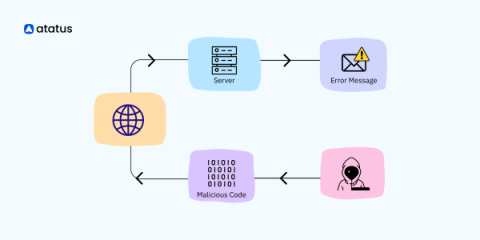
PHP is a powerful language used by at least 80% of all the applications you use today as their backend scripting language. This can be attributed to its relatively simpler syntax, which is on the same line as other C-style languages. It supports different operating systems (Windows, Linux, macOS), web servers, databases and integrates seamlessly with popular databases like MySQL, PostgreSQL, and Oracle, making it a suitable choice for database-driven applications.

A guide to dynamic application security testing (DAST)

Dynamic application security testing (DAST) is a critical security measure for modern software delivery pipelines. It involves evaluating the security of web applications by actively testing them in real-time, simulating real-world attacks to identify vulnerabilities. As the cybersecurity threat landscape has evolved, DAST has emerged as a key tool for enforcing application security in continuous integration and continuous delivery (CI/CD) pipelines.

Benefits of Monitoring for Cloud Security

Monitoring virtual & physical servers for potential threats or security loopholes is termed as cloud security monitoring. It helps identify these issues and rapidly respond to them, keeping your network safe. Cloud security monitoring best practices include automation for data, application, & infrastructure behavior monitoring and assessment. It helps in providing better access control & faster response time in case of a security breach.

DNS observability and troubleshooting for Kubernetes and containers with Calico

In Kubernetes, the Domain Name System (DNS) plays a crucial role in enabling service discovery for pods to locate and communicate with other services within the cluster. This function is essential for managing the dynamic nature of Kubernetes environments and ensuring that applications can operate seamlessly. For organizations migrating their workloads to Kubernetes, it’s also important to establish connectivity with services outside the cluster.

How to Be a Target for Cybercriminals: Reuse Your Passwords

Tempting though it may be, you should never reuse a password. Every account should have its own complex, unique password or passphrase to reduce the risk of compromised credentials and account takeover attacks. Employees are often unintentionally responsible for data breaches, so organizations should ensure that their users have strong credentials that cannot be easily guessed.