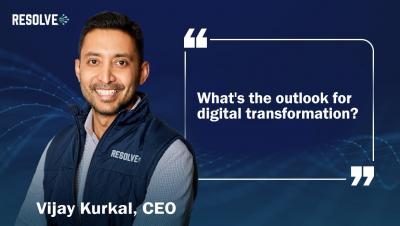
Digital technologies have emerged as the most fundamental tools for the survival of businesses in the fiercely-competitive modern marketplace. Implementation of modern technologies helps achieve the most desirable business objectives. However, the adoption of innovations to facilitate digital transformation also brings cybersecurity challenges too.
Companies moving their applications and services to the cloud is nothing new, but doing business there requires a solid cloud migration strategy. The list of things to consider is longer than you might think. Fortunately, xMatters has done it successfully and has helped its own customers move to the cloud too. In this article, Product Marketing Manager Erin Jones gives a checklist you can use to get your cloud migration right.
The global events of the past few years have permanently shifted us into a new era; defined by constant change, consumer-grade IT expectations, and digital innovation. Successful and sustainable digital transformation relies on an organization’s ability to make informed, data-driven decisions; achieve buy in from executive leadership; challenge the status quo; and future-proof investments against economic fluctuations.
One of the great promises of digital transformation is its ability to vastly enhance the customer experience. By empowering your workers with the tools and information to deliver extraordinary customer service, you create increased value for your customers and your business. However, driving customer digital transformation requires a shift in mindset and approach.
Digital transformation, no matter what form it takes within your organization, is a high-stakes initiative to deliver strategic impact to the business. The cloud is a pivotal enabler to that effort. But there’s a flip side—challenges related to migrating and managing workloads in the cloud can have a negative impact on the success of your transformation efforts.
Businesses today operate in a highly dynamic environment. And it’s safe to say that over the last couple of years IT departments have witnessed an unprecedented change. While digital transformations have been among the key initiatives for most organizations, covid 19 catapulted enterprise digital transformation to become the top priority for many businesses. With this shift, the IT department has taken center stage.