Operations | Monitoring | ITSM | DevOps | Cloud

Top Mobile Incident Notification Systems for IT Teams 2026

Modern IT incidents don’t stick to a 9-to-5 schedule. System failures, security breaches, and performance degradations can happen at any time, and today’s distributed teams must respond instantly, wherever they are. The ability to receive, acknowledge, and manage incidents directly from a smartphone is no longer a luxury—it’s a core requirement for effective incident response in 2026.

How to Reduce On-Call Burnout in IT Teams

On-call duty is a high-stakes reality in modern IT and digital ops teams. While essential for ensuring system reliability, the chronic stress it creates doesn’t have to be a given. On-call burnout is a serious threat to your team’s well-being and your organization’s performance, but it isn’t inevitable. It’s a systemic problem, not a personal failing.

Creating Schedule Overrides in OnPage

Learn how override schedules work in OnPage and how admins can quickly manage temporary on-call coverage changes without rebuilding the entire schedule. With OnPage overrides, teams can adjust coverage for vacations, sick days, shift swaps, after-hours changes or last-minute availability issues. During the override window, alerts are automatically routed to the covering responder. Once the override ends, the schedule returns to the regular on-call rotation.

What's New in the Updated OnPage Enterprise Management Console

Take a quick walkthrough of what’s new in the updated OnPage Enterprise Management Console. In this video, we highlight the latest updates designed to give admins more visibility, flexibility and self-service control across critical communication workflows. You’ll see what’s new across the console, including: The updated Enterprise Management Console helps teams manage on-call schedules, critical alerts, escalation workflows and Dedicated Lines more efficiently from one centralized place.

How Property Managers Can Respond Faster to Critical Issues | OnPage

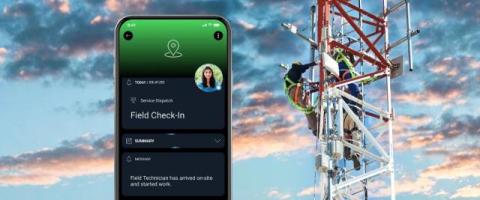
When managing properties and facilities remotely, every minute matters. Whether it's an HVAC failure, maintenance request, or after-hours emergency, critical issues need immediate attention. Traditional communication methods like phone calls, emails, and text messages can easily be missed, delaying response times and impacting tenant satisfaction. In this video, discover how OnPage helps property managers and facilities teams receive critical alerts in real time, coordinate responses faster, and maintain visibility throughout the incident lifecycle.

Reduce Alert Fatigue with Composite Alerting in Hosted Graphite | Tutorial

Tired of noisy alerts waking you up for issues that are not actually impacting your services? In this tutorial, we walk through MetricFire's Composite Alerting capabilities and show how to combine multiple metric conditions into a single high-confidence alert using AND / OR logic. Learn how to: Reduce alert fatigue and false positives Create service level alerts in Graphite Combine CPU, latency, and database metrics into meaningful alerts Use conditional logic to improve signal quality Build smarter observability workflows with Hosted Graphite.

OnCall Rotation Software for IT Ops Boosts Response (2026)

The chaos of manual on-call management is a familiar story for many IT Operations teams: frantic phone calls, confusing spreadsheets, missed alerts, and frustrated engineers on the verge of burnout. This reactive approach doesn’t just strain your team; it risks service-level agreement (SLA) breaches and customer churn.

Route Critical Alerts Evenly and Move Faster from Message to Phone Call

It’s been a busy quarter at OnPage. We recently rolled out our updated Enterprise Management Console to a select group of beta customers, and the early feedback has been exciting to see. The new experience gives teams a cleaner, more modern way to manage critical communication workflows, on-call schedules, alerting activity and team visibility from one place. But we have not slowed down there.

Kubernetes Monitoring: Datadog Alert to Lightrun Root Cause

Datadog Kubernetes monitoring tells an SRE team what failed, which pod failed, and when. It does so within seconds of the alert firing. The investigation then stalls at the same point every time: nothing in the dashboard layer can prove why a specific request behaved the way it did inside a running JVM at the moment of failure. Variable values, feature flag evaluations, and code branches are never captured.