Operations | Monitoring | ITSM | DevOps | Cloud

Centralized Logging Solution for Google Cloud Platform (Cloud Next '18)

In this session, we’ll give practical guidance on consolidating and managing your logs, share tips on both what to log and what not to log, discuss logging agents and their potential pitfalls, and show you how to extract value from your log entries for reporting and alerting on logs.

How the New Influx Query Engine Was Designed-And How to Use It With Grafana

Flux, the long-awaited new functional query processing engine for InfluxDB, has finally landed. If you’re curious to learn more about the hows and whys of its design, check out this GrafanaCon EU session with InfluxData Cofounder and CTO Paul Dix. Also we’d like to share a recent presentation from David Kaltschmidt, Director, UX for Grafana Labs on the new Flux support in Grafana!

How to Start Logging & Invite Team Members in LogDNA's Log Management System

LogDNA is the easiest, fastest log management tool available. Our head of DevOps Ryan Staatz showcases how to get started with LogDNA, ingest logs from numerous platforms - Linux, Kubernetes, Docker, Linux, Syslog, etc., then add team members to join a central organization for centralized log management and analysis.

Level Up With Derived Columns: Bucketing Events For Comparison

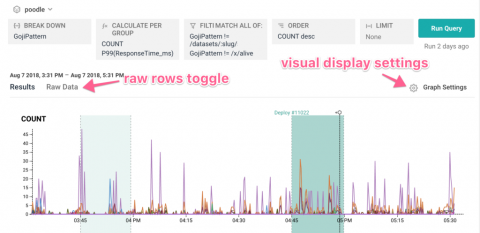
When we released derived columns last year, we already knew they were a powerful way to manipulate and explore data in Honeycomb, but we didn’t realize just how many different ways folks could use them. We use them all the time to improve our perspective when looking at data as we use Honeycomb internally, so we decided to share. So, in this series, Honeycombers share their favorite derived column use cases and explain how to achieve them.