Operations | Monitoring | ITSM | DevOps | Cloud


The latest News and Information on DevOps, CI/CD, Automation and related technologies.

NetApp 101: Key Terms
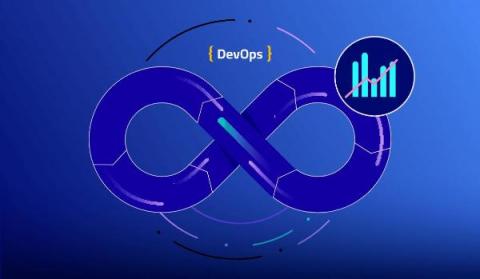
How to Optimize the DevOps Pipeline Through Developer Workflows
The DevOps pipeline is a crucial part of software development, but it can often get mired in bottlenecks. Most problems are caused by the development and operations teams having different responsibilities are due to inefficiencies in the pipeline design. However, thanks to continuous observability, DevOps now gets a new lease of life since it is possible to tweak the pipeline to suit the developer’s workflow.
Modernizing Your Voice Network

Cloud Monitoring: Troubleshoot misfired alerts

A complete guide to managing Grafana as code: tools, tips, and tricks
We all know about the great things Grafana dashboards can do, and configuring them as code makes it possible to get even more out of them. These days, Grafana resources can mostly be managed as code in a declarative manner, which enables code review, code reuse, and in general, better workflows. This guide presents a few as code tools you can use to declaratively manage Grafana resources, plus some tips and tricks on how to incorporate them efficiently into your own use cases.

Six things you didn't know you could do with CircleCI Insights
There are hundreds of capabilities on CircleCI that were designed to create the best possible CI/CD experience for our users. But one feature that users often point to as the most valuable on the platform is the CircleCI Insights dashboard. The Insights dashboard provides full visibility into metrics like job status, duration monitoring, and solutions for pipeline optimization.

Highlights from AWS re:Invent 2022
Just like shopping on Black Friday, AWS re:Invent has become a post-Thanksgiving tradition for some of us at Datadog. We were excited to join tens of thousands of fellow AWS users and partners for this annual gathering that features new product announcements, technical sessions, networking, and fun. This year, we saw three themes emerge from the conference announcements and sessions.

ManageEngine named a Challenger in the 2022 GigaOm Radar for Network Validation
For over 16 years, ManageEngine Network Configuration Manager has enabled network admins to manage network device configurations and validate them—all while helping them stay compliant with international standards. Today, we are thrilled to announce that ManageEngine has been named a Challenger in the 2022 GigaOm Radar for Network Validation.