The latest News and Information on DevOps, CI/CD, Automation and related technologies.
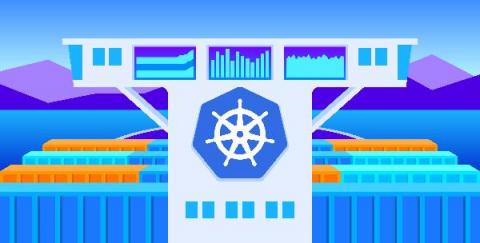
In order to manage complex containerized applications, modern devops teams need to have deep visibility into the status of their Kubernetes resources. By listening directly to the Kubernetes API, the open source kube-state-metrics service generates key metrics about your Kubernetes objects, including pods, nodes, and deployments, which are essential for understanding the status and performance of your clusters.
Today, almost every service now is offered in a “Cloud” variant. But what does that really mean? Are all clouds services equal? It’s easy to see why so many vendors rush to add a Cloud edition/variant of established software they sell. Undoubtedly, there has been a move to Cloud services across the industry, as more and more organizations seek to take advantage of the higher reliability and lower total cost of ownership that Cloud platforms promise.
That’s a wrap! Gremlin hosted Failover Conf 2: Fail Smarter on April 27, 2021. In attendance were over 500 SREs, developers, sales engineers, product managers, DevOps experts, C-level execs, and other reliability pros from around the globe! This year’s conference included discussions around the future of DevOps, strategies for building reliable teams, analyzing human error to create better systems, and more.
Deep specialization of IT administrators is a luxury only the largest organizations can typically afford. Smaller organizations rely on IT administrators with a more generalist skill set because they are—by necessity—responsible for a wide array of different technologies, and there simply isn’t time to specialize in the intricacies for any one of them. Yet modern IT is intricate.
What do Google’s DevOps Research and Assessment (DORA) and Rollbar have to do with each other? DORA identified four key metrics to measure DevOps performance and identified four levels of DevOps performance from Low to Elite. One way for a team to become an Elite DevOps performer is by focusing on Continuous Code Improvement.
A big part of ensuring the availability of your applications is establishing and monitoring service-level metrics—something that our Site Reliability Engineering (SRE) team does every day here at Google Cloud. The end goal of our SRE principles is to improve services and in turn the user experience. The concept of SRE starts with the idea that metrics should be closely tied to business objectives. In addition to business-level SLAs, we also use SLOs and SLIs in SRE planning and practice.
In order to avoid the repetitive tasks performed over the desktop, Microsoft has developed an extended service, the Power Automate Desktop. It has been recently announced by Microsoft, which has been made available to Windows 10 users. It is a new low-code Robotic process automation that enables business empowerment to automate those tasks that are repetitive and other manual tasks to focus better on higher-value work and to establish more in their corresponding areas of work.
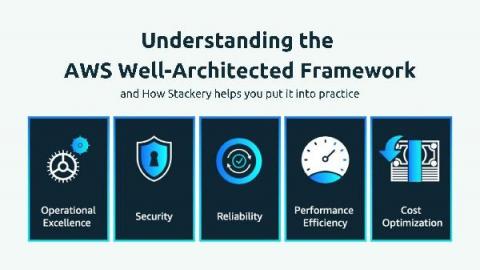
Designing and running workloads in the cloud is complex. Many services need to fit together in just the right way for optimal performance. The opportunity for error lurks around every corner. This is a high-stakes game with a huge premium on getting things right from the beginning. Even small mistakes can snowball. To help, AWS studied the architectures of thousands of its customers and supplemented that learning with insights from experts.