CloudWisdom - Demo of Performance Monitoring
This 4-minute demo of CloudWisdom covers the performance monitoring portion of the product including: integrations, dashboards, widgets, metrics, and alerts.


The latest News and Information on DevOps, CI/CD, Automation and related technologies.
The linux-aws 4.15 based kernel, which is the default kernel in the Ubuntu 18.04 LTS AMIs, is moving to a rolling kernel model.
We’ve added production instances in two new locations: US-WEST-2 (Oregon) and AP-SOUTHEAST-2 (Sydney). These are just the first of many, but together they deliver serious performance improvements for our customers around the globe.
As a leading, open-source multi-cluster orchestration platform, Rancher lets operations teams deploy, manage and secure enterprise Kubernetes. Rancher also gives users a set of container network interface (CNI) options to choose from, including open source Project Calico.
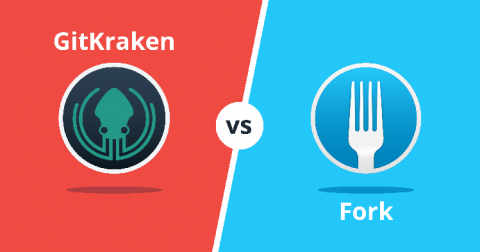
In an effort to provide a comprehensive comparison of our tool against other Git clients on the market, we have explored how GitKraken fares against some formidable competitors: And now, we’re taking on the GitKraken vs Fork argument.
Amazon’s Elastic Kubernetes Service (EKS) is the company’s managed option for Kubernetes clusters. We have several articles on using AWS and Kubernetes on our blog, and felt there was a need to highlight some of the key features that AWS EKS offers. Many of these features have been rolled out or updated over the last year. We have mentioned some of these features in other posts, such as our comparison of EKS with AKS and GKE.
In Part 1 of this series, we looked at the key observability data you should track in order to monitor the health and performance of your Red Hat OpenShift environment. Broadly speaking, these include cluster state data, resource usage metrics, and information about cluster activity such as control plane metrics and cluster events. In this post, we’ll cover how to access this information using tools and services that come with a standard OpenShift installation.
In Part 1, we explored three primary types of metrics for monitoring your Red Hat OpenShift environment: We also looked at how logs and events from both the control plane and your pods provide valuable insights into how your cluster is performing. In this post, we’ll look at how you can use Datadog to get end-to-end visibility into your entire OpenShift environment.