StackStorm v3.0.1
Today we are happy to announce StackStorm v3.0.1. This is a first bug fix patch / patch release in the v3.0.x release series. It includes the following bug fixes and improvements...
The latest News and Information on DevOps, CI/CD, Automation and related technologies.
Today we are happy to announce StackStorm v3.0.1. This is a first bug fix patch / patch release in the v3.0.x release series. It includes the following bug fixes and improvements...
Containers, along with containerization technology like Docker and Kubernetes, have become increasingly common components in many developers’ toolkits. The goal of containerization, at its core, is to offer a better way to create, package, and deploy software across different environments in a predictable and easy-to-manage way.
We’re very happy to announce that our self-service automation portal for use with Microsoft Azure and Microsoft System Center Orchestrator has now been updated to Version 3! This release brings with it a number of upgrades and general improvements, plus the ability to create your own colour themes, so that you can truly make the portal your own and seamlessly integrate it into your organisation.
In the digital era, state and local government and education (SLED) agencies are increasingly leveraging new technological advances such as mobility, the cloud, and big data to better serve constituents while achieving cost efficiencies.
The mechanism for interacting with Kubernetes on a daily basis is typically through a command line tool called kubectl. kubectl is primarily used to communicate with Kubernetes API servers to create, update, delete workloads within Kubernetes. The objective of this tutorial is to provide an overview of some of the common commands that you can utilise, as well as provide a good starting point in managing Kubernetes.
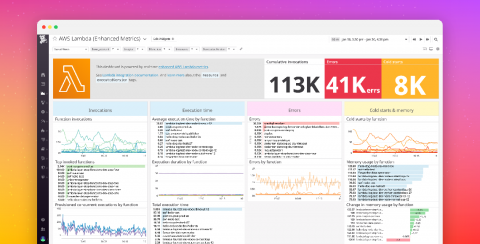
If you’ve built a serverless application or two, you’re probably familiar with the benefits of serverless architecture. You take advantage of already built, managed cloud services to handle standard application requirements like authentication, storage, compute, API gateways, and a long list of other infrastructure needs. You can spin up these resources in a matter of minutes and add your own specific business logic (usually as AWS Lambda function code).
Secure access to your own private registry helps control who has access to your images. Compared to usage-based services such as Docker Hub and Quay, a Cycle hosted private registry only consumes the resources you give it access to, yielding a more cost-effective deployment. Let’s take a look at how simple it is to deploy a private Docker registry on Cycle.