Operations | Monitoring | ITSM | DevOps | Cloud

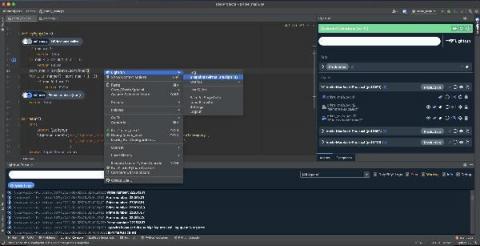
How to Perform Python Remote Debugging

Debugging is the process of identifying, analyzing and removing errors in the software. It is a process that can start at any stage of the software development, even as early as the software has been written. Sometimes, remote debugging is necessary. In the simplest terms, remote debugging is debugging an application running in a remote environment like production and staging.

Python Logging Levels Explained

The complexity of applications is continually increasing the need for good logs. This need is not just for debugging purposes but also for gathering insight about the performance and possible issues with an application. The Python standard library is an extensive range of facilities and modules that provide most of the basic logging features. Python programmers are given access to system functionalities they would not otherwise be able to employ.

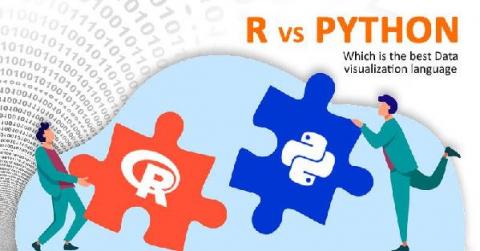
R Vs Python: Which is the best data visualization language?

Data has gone from scarce, expensive, and hard to find and collect to rich and cheap, hard to process and understand with the digital age. In data science solutions, traditional software was used to capture, store, understand and analyze, but not all verticals of data science are essential for individuals and businesses. So Data visualization comes into play to make your tasks easy.

8 Must-Know Tricks to Use S3 More Effectively in Python

AWS Simple Storage Service (S3) is by far the most popular service on AWS. The simplicity and scalability of S3 made it a go-to platform not only for storing objects, but also to host them as static websites, serve ML models, provide backup functionality, and so much more. It became the simplest solution for event-driven processing of images, video, and audio files, and even matured to a de-facto replacement of Hadoop for big data processing.

JFrog detects malicious PyPI packages stealing credit cards and injecting code

Software package repositories are becoming a popular target for supply chain attacks. Recently, there has been news about malware attacks on popular repositories like npm, PyPI, and RubyGems. Developers are blindly trusting repositories and installing packages from these sources, assuming they are secure.