Operations | Monitoring | ITSM | DevOps | Cloud

What data sources does agentic ITOps use

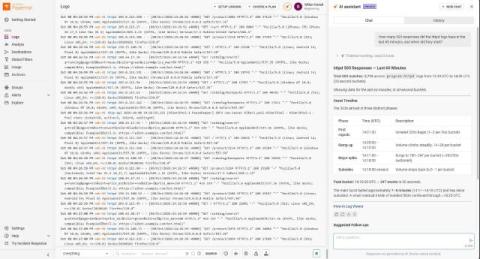
Agentic IT operations have arrived. It’s no longer a question of if enterprise IT departments will adopt agentic ITOps, but how quickly. The question we hear most often at BigPanda isn’t “what are agentic ITOps,” it’s “what data do we actually need to get started?” That’s the right question to ask. Agentic AI is only as good as the data and context that feeds it. Real-time observability and telemetry data from machines. Structured ITSM and workflow records.

From Log Line to Merged Fix: AI SRE Agent AURA with GitHub MCP

Knowing why it broke is not the same as having it repaired. Point the agent at the repos behind the service and the change comes back as a pull request. A Govee integration crash-loops under Home Assistant because the container cannot write to a directory it does not own. That much was already established: the previous homelab video stopped at the root cause on purpose, so the next pass could improve the agent's configuration first.

Can't Plan Next Year or Even Next Week? Start With One Document

If you're struggling to plan next week let alone next year, stop and assess where you actually stand. Define your desired future state, then put it on paper — just start somewhere. That one document becomes the roadmap you break down into your next 5 years. Watch the full IT Leadership Lab session.#Shorts.

Grafana Tempo: Trace diff & span pruning (August 2026 Community Call)

We will look at some new features: trace diff and span pruning Can't comment in the chat? You may need to create a channel. Join us live for an introduction to flame graphs. We’ll cover what they are, how to read them, and how to use them to find performance bottlenecks in your applications. Bring your questions! Grafana Cloud is the easiest way to get started with Grafana dashboards, metrics, logs, traces, and profiles. Our forever-free tier includes access to 10k metrics, 50GB logs, 50GB traces and more.

Why Growth Leaders are Abandoning Effort-based Models, and What Comes Next

Every major enterprise has placed its AI chip. McKinsey pegs the annual economic potential of generative AI at $2.6 to $4.4 trillion. HFS Research sizes the Services-as-Software market at $1.5 trillion by 2035. Gartner forecasts that 40% of enterprise applications will embed task-specific AI agents by the end of this year, up from under 5% in 2025. These are the field reports of a reordering already underway.

AI budgeting: how to plan and forecast AI spend

AI budgeting is the process of planning, allocating, and forecasting an organization's AI spend: model and API costs, AI infrastructure, tooling, and the people running it all. It differs from traditional budgeting because AI spend is usage-based, scales with product success rather than headcount, and often spans multiple providers.