Operations | Monitoring | ITSM | DevOps | Cloud

Splunk Observability Cloud and Ansible Automation Platform - How to Remediate Alerts with Ansible

Close the AIOps loop with Splunk Observability Cloud and Red Hat Ansible Automation Platform. Explore how OpenTelemetry and Event-Driven Ansible turn alerts into automated fixes, reducing manual firefighting and speeding up incident resolution.

Scout Trails Is in Beta: See What Your AI Coding Agents Are Doing

session start tool call tool call cost outcome AI coding agents have quietly become part of most engineering teams. They open files, run commands, call tools, and push changes, often for hours at a time. Yet when you want to know what an agent actually did, the answer usually lives in one developer’s terminal history, and it disappears when that session closes.

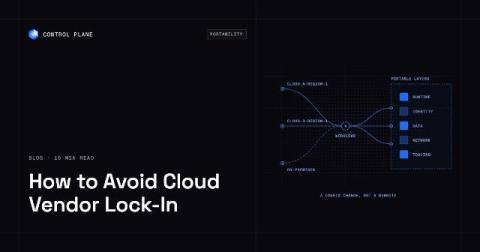
How to Avoid Cloud Vendor Lock-In: A Practical Guide for 2026

You avoid cloud vendor lock-in by keeping the parts that are expensive to move portable: the compute runtime, identity, data, networking, and deployment tooling. You accept proprietary services only where their value clearly exceeds the exit cost, so that leaving or adding a provider is a configuration change rather than a rewrite.

Meet Artist

Every network team keeps a dashboard backlog. A war room needs a view of one incident. A service owner wants path health for a single application. An executive review needs business impact on one page. Each request becomes a ticket for the tooling team, and the view often arrives after the moment that needed it has passed. Artist is the dashboard agent in Selector Foundry, the agentic NetOps platform built on Selector Analytics.

Stacked PRs: what they are and how to run CI on a stack

Large pull requests can be a pain to review. When a change touches dozens of files and adds hundreds of lines of code, reviewers have a lot to work through before they can approve it. And if something needs to change, the whole PR goes through another round of review. Stacked PRs let developers split a large change into smaller, dependent pull requests that can be reviewed separately.