Operations | Monitoring | ITSM | DevOps | Cloud

Migrating from Epsagon to Dashbird

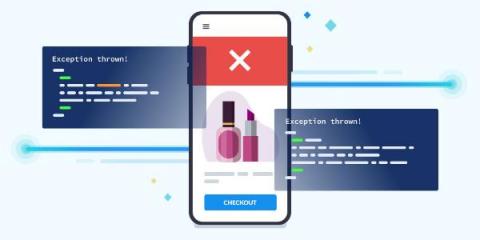
With over 200 products offered by AWS, when designing a solution, such as a micro-services based system using a number of these services at its core, it becomes rather challenging to not only monitor them but on the onset of a problem troubleshooting it and resolving it within the least amount of time becomes a daunting task. Building a monitorable system requires a deep understanding of the failure domain of the critical components, which is a tall order for a fairly complex system.

Compare monitoring tools: Epsagon vs Dashbird

As the world is increasingly reliant on technology, software developers, cloud architects, and DevOps practitioners bear a responsibility similar to that of the health industry or to airplane pilots, for example. In this reality, cloud monitoring isn’t optional, it’s a matter of being professional. What is optional, however, is what monitoring solution to go for. Obviously, the one that best fits your specific needs but which one is it?

Now at Work keynote recap: The path forward in the hybrid workplace

The 2021 Now at Work Digital Experience included a series of regional events with locally relevant topics and featured leaders from the business, government, and sports communities. Guest speakers, industry luminaries, partners, and customers sharing their success stories joined in the worldwide movement to workflow a better world.

5 Ways Cloud Costs Can Spiral Out of Control

As CFO of Virtana, I face many of the same challenges as every CFO of a SaaS or enterprise software company today: cost containment, surprises, and an ever-escalating AWS bill. We all need help keeping these things in check. These challenges become even more difficult when your organization goes hybrid cloud. Fortunately, there are tools out there to help our teams help us manage these costs.

How companies can prevent employee turnover in the 'great resignation' era

What do you like about the place you work? Now there’s a question that many people have very different answers for than they did two years ago. After all, many of the perks of working in an office are no longer being enjoyed by employees. The person who loved walking into their sparkling office building with the stocked kitchen and comfy chairs? They’ve been working from their bedroom for over a year now, left to stock their own kitchen.

Energy Regulators Driving Cloud-First Strategies in Race to Net Zero Carbon

Every government in the world is evaluating the steps necessary to radically reduce carbon emissions. The UK Government has been especially proactive, not just assessing these steps, but rolling out aggressive carbon-control strategies and legislation. Originally, the UK Government’s Climate Change Act 2008 set a goal of an 80 percent reduction in the country’s carbon emissions by 2050.

Tucker Callaway on the State of the Observability Market

Tucker Callaway is the CEO of LogDNA. He has more than 20 years of experience in enterprise software with an emphasis on developer and DevOps tools. Tucker drives innovation, experimentation, and a culture of collaboration at LogDNA, three ingredients that are essential for the type of growth that we've experienced over the last few years.

5 Examples of Metrics or Log Data That Drives Observability

Which data sources do DevOps teams need in order to achieve observability? At a high level, that’s an easy question to answer. Concepts like the “three pillars of observability”—logs, metrics, and traces—may come to mind. Or, you may think in terms of techniques like the RED Method or Google’s Golden Signals, which are other popular frameworks for defining which types of data teams should collect for monitoring and observability purposes.

The State of Robotics - September 2021

September news is charged with analysis and comment of what has been a month with important announcements for open source robotics. It has been a month to understand that, in a nascent and fragmented market, the actors have a deeper impact upon all the stakeholders. A flop won’t be just a flop, it could be the reason why someone won’t give a robot a chance. What? Ok, let’s start.