
Operations | Monitoring | ITSM | DevOps | Cloud

Top 10 Mobile App Development Company in Singapore

In today's fast-paced digital landscape, mobile apps have become an integral part of our daily lives. From ordering food to managing finances, apps have transformed how we interact with technology. For businesses, having a robust mobile app is no longer a luxury but a necessity. This is where mobile app development companies come into play, offering expertise and innovation to create applications that engage users and drive growth. In this article, we will highlight the top 10 mobile app development companies in Singapore.
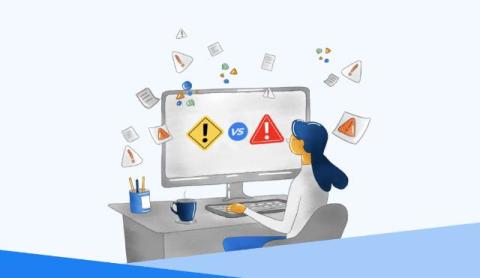
Decoding Severity: A Guide to Differentiating Major vs Critical Incidents

Recognizing the difference between major and critical incidents is essential for IT operations, as downtime can result in significant financial losses for businesses. Gartner highlights that effective incident management can cut downtime by as much as 40% . Major incidents disrupt business operations but are typically confined to specific systems or processes.

End-user monitoring with Applications Manager

In today’s rapidly changing world, making a strong first impression can go a long way. If you’re a business owner, delivering flawless web experiences should be the norm. Making every website visit effortless not only keeps customers happy and engaged but also builds up your brand’s reputation. This is where the significance of end-user monitoring (EUM) comes in.

Unlocking Speed and Efficiency: The Benefits of Serverless Infrastructure for SEO

In the ever-evolving digital landscape, website speed has become a critical factor in SEO performance. Faster page load times not only enhance user experience but also contribute significantly to better search engine rankings. One of the most promising advancements in this area is the adoption of serverless infrastructure. This approach, which eliminates the need for traditional server management, has emerged as a game-changer for web performance, particularly for SEO. Let's delve into how serverless infrastructure is transforming website speed and SEO, with insights from an industry expert.

Round Robin escalation policies: do's and don'ts

The concept of Round Robin comes from sports. And it has nothing to do with anyone called Robin, but the french word ruban (ribbon). In a Round Robin tournament, all participants face each other by taking turns. When applied to on-call schedules, a Round Robin escalation policy means that responders assigned to a level will take turns responding to alerts. When is this strategy useful and when isn’t?

Incident Response Automation: How It Works & Best Practices

It's 2 a.m. and your engineering team is sound asleep when suddenly a barrage of alerts start flooding in. A critical service is down and customers are complaining. Your developers scramble to sift through the noise, identify the root cause, and fix the issue—all while racing against the clock to meet tight SLOs.

The importance of end user experience monitoring

In 2024, customer experience will be the biggest driver of success. While the business world glances at the financial horizon with worried eyes, finding ways to retain users, capture new leads, and create meaningful, long-lasting brands is more critical than ever. According to Forrester, the ROI of customer experience is 9,900%. For most businesses, the value of user experience is apparent—lower costs, improved loyalty, higher satisfaction, and a higher overall LTV.

Digital transformation and cost savings: How AI benefits Australian SMEs to enhance digital experience

Small and medium-sized enterprises (SMEs) play a crucial role in Australia's economy. Despite this, they face significant challenges in the current economic climate, including rising costs, higher interest rates, and the need to stay competitive in a rapidly-evolving digital market. For these businesses, cutting expenses is the top priority, closely followed by enhancing the digital customer experience.

5 Ways to Make Kubernetes Auditing an Effective Habit

Kubernetes has several components that produce logs and events containing information on everything that has happened in a Kubernetes cluster. Keeping track of all this data becomes extremely challenging when you run Kubernetes at a very large scale. With so many components generating logs, organizations need a centralized place to see it all. But this is only half your problem. You also need to correlate logs coming from different components to draw the right conclusions and take effective actions.