Tracing and debugging microservices is one of the biggest challenges this popular software development architecture comes with - probably the most difficult one. Due to the distributed architecture, it's not as straightforward as debugging traditional monolithic applications. Instead of using direct debugging methods, you'll need to rely on logging and monitoring tools, coding practices, specific databases, and other indirect solutions to successfully debug microservices.
Most companies in today's business landscape that deal with large amounts of data want to integrate their applications so that they can pass data between them seamlessly and easily. Being able to ensure that you can see exactly what is happening at every stage of the process is key, and this is where approaching the process with observability in mind can make a real difference. Deciding at the outset that observability is something that you want to be baked into the process means that you can plan and execute with that in mind.
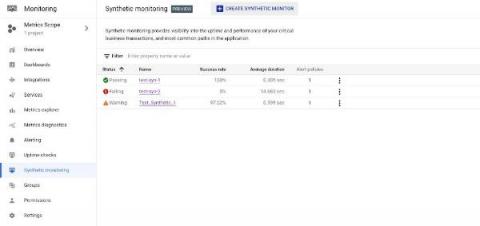
Synthetic monitoring in Cloud Monitoring lets you test the availability, consistency, and performance of your web applications from the perspective of a real user.
Discover the importance of package management in software development and how Cloudsmith, a cloud-native artifact management platform, can streamline your DevOps processes. Learn about the key benefits of using Cloudsmith for package management, from control and visibility to security and speed.
When used properly, serverless technologies like AWS Lambda can lower the cost of running a system. This is because you only pay for these services when you’re using them, so you don’t waste any money. Serverless technologies also have other benefits. They can provide better security, built-in redundancy and scalability. The biggest plus is that they let you do more with less time and effort. You can focus on the things that directly add value to your business.