In our daily lives as developers, we have to deal with a lot of code that we did not write ourselves (or wrote ourselves but already forgot that we did). We use tons of libraries that make our lives easier because they deal with complex stuff like machine learning, time zones, or printing. As a result, much of the code base we work with on a daily basis is a black box to us. But there are times when we need to learn what is happening in that black box.
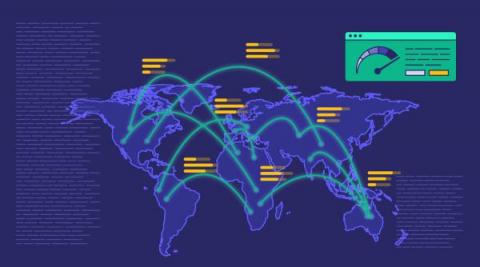
Rich content like videos and graphics used to cause network congestion and long load times when all the content was stored on a centrally located server. Fortunately, Content Delivery Networks (CDNs) came to the rescue in the late 1990s, letting users load rich content from a location geographically closer to them and reducing load times by distributing a cached version of content across servers worldwide.
Third-party APIs and cloud based software as a service (SaaS) tools have become a cornerstone of modern enterprises. It is essential to monitor log data and optimize API performance. This will ensure that development teams provide the desired advantages to clients and users. To address this challenge, businesses can use an observability pipeline. It is a set of tools and processes that monitor and analyze data from various sources. That includes third-party APIs and SaaS tools.
Navigating the fast-paced, highly competitive telecommunications industry calls for a proactive approach to stay ahead of the curve. As customer expectations soar and technological advancements continue to shape the sector, telcos must embrace IT automation to remain relevant. Delving into 5 top use cases for IT automation in the telco industry, let’s uncover the key drivers that empower businesses to thrive in today's market and be well-prepared for the demands of the future.
A core belief of Memfault is that we can ship faster when we have good infrastructure in place. An essential piece of this infrastructure is tools to send firmware updates over the air. It enables the team to ship more often and spend more time building features. In this article, we look specifically at what is required to ship over-the-air firmware updates for Linux systems. A good OTA setup should allow you to quickly prepare updates and ship them with confidence.
Today the Checkly CLI is generally available. Together with its companion — the new test sessions screen (in beta) — this marks a big milestone for us at Checkly and our users. We already talked about monitoring as code and the CLI during its alpha and beta testing phases but here is a short recap. With the Checkly CLI you have the most powerful monitoring as code workflow at your fingertips.
We believe monitoring should be set up as code and live in your repository. Today, we are thrilled to announce that our Checkly CLI is now available to everyone! The CLI is our native tool enabling monitoring as code (MaC). This is a significant achievement for us, and we owe it to our users who beta-tested the CLI and gave us valuable feedback over the past few weeks.
Incident response has been the cornerstone of reliability for decades. From digging in the server logs to navigating modern observability dashboards, responding quickly to incidents and outages is a big part of minimizing downtime. And it should be! When something breaks, your team should move as quickly as possible to address and repair the problem.