Operations | Monitoring | ITSM | DevOps | Cloud

Outsourcing SaaS Development: Key Strategies for Success

Outsourcing software as a service (SaaS) development is a strategic approach adopted by businesses aiming to enhance growth, reduce operational costs, and streamline product delivery. In an era where swift market entry and technological efficiency are pivotal, outsourcing offers companies the leverage to focus on core competencies while delegating the complex task of SaaS development to specialized service providers.

3D Secure: Essential Insights for Businesses and Cardholders

In the ever-evolving landscape of digital transactions, security remains a paramount concern for both businesses and cardholders. Amidst the rising tide of online fraud, 3D Secure emerges as a critical bulwark, designed to add an extra layer of verification and thus, protection, during online purchases. This technology, while not new, continues to evolve, making it imperative for both merchants and consumers to stay abreast of its mechanisms, benefits, and implications. Here, we delve into the must-know aspects of 3D Secure, shedding light on its importance for secure digital transactions.

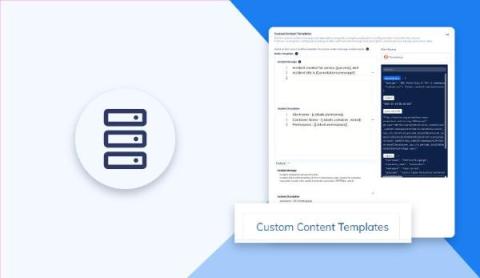
Enhancing On-Call Efficiency with Squadcast's Custom Content Templates

Critical information during Incident Management includes the incident's nature, impact, urgency, affected systems, and current status, enabling efficient resolution. Yet, the excessive details in incident notifications frequently hinders rather than aiding the process.

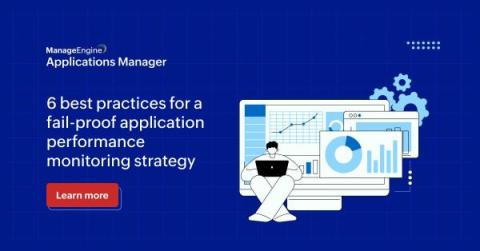
6 best practices for application performance monitoring

In today’s digital era, where applications are the lifeline of many businesses, the importance of monitoring and observing their performance is undeniable. It’s not just about keeping systems up; it’s about understanding how applications behave and ensuring they meet the ever-growing expectations of users. Let’s take a look at six best practices in application performance monitoring that organizations can implement to set themselves up for success.

How to Leverage Tech to Hire Talent

In today's fast-paced and competitive business landscape, leveraging technology is crucial for staying ahead, especially when it comes to recruiting top talent. Traditional hiring methods may no longer suffice, and organizations must adapt by incorporating innovative tech solutions into their recruitment processes. This blog post will explore the various ways you can leverage technology to enhance your talent acquisition strategies.

Why enterprises need MSPs equipped with advanced asset management expertise

In modern IT ecosystems, Managed Service Providers (MSPs) ensure the smooth operation of organizations’ technology infrastructure. Among their responsibilities, asset management is a key component. MSPs leverage advanced technology to automate tasks such as inventory tracking, software updates, and license management. This automation reduces manual workload and enables MSPs to allocate resources while dealing with asset management.

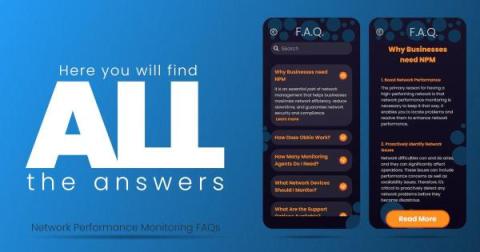
Network Performance Monitoring FAQs

There is an abundance of resources, tips, and tools available to network administrators and business owners to help improve their network performance. However, the wealth of information can be overwhelming, often leaving you more confused than enlightened. Whether you're a seasoned network administrator or a business owner navigating the intricacies of digital infrastructure, we've meticulously compiled essential information.

Kubernetes 2024: Challenges and solutions

Kubernetes has become the world's leading container orchestration platform, aiding small-scale to large-scale businesses in automating, autoscaling, and managing application deployments. Before delving deeper, let's understand why cloud-native solutions like Kubernetes have become the world's—especially organizations'—favorite technology. Creating highly scalable, resilient applications requires flexible infrastructure management.

What is the Benefit of Including Security with Your Observability Strategy?

Observability strategies are needed to ensure stable and performant applications, especially when complex distributed environments back them. Large volumes of observability data are collected to support automatic insights into these areas of applications. Logs, metrics, and traces are the three pillars of observability that feed these insights. Security data is often isolated instead of combined with data collected by existing observability tools.