Data center planning can be a chore. It's often a manual and time-consuming process that involves gathering data that may or may not be accurate from multiple tools. Plus, modern data center environments are increasingly complex and distributed which adds to the challenge.
Expenditure on cloud computing services reached a mammoth 225 billion dollars in 2022. Companies start their cloud-native journeys with the best intentions and consume the many benefits including: But current cloud expenditure growth levels are unsustainable for many organizations and with 82% of organizations investing in FinOps staff it shows that cloud expenditure is top of mind in the c-suite.
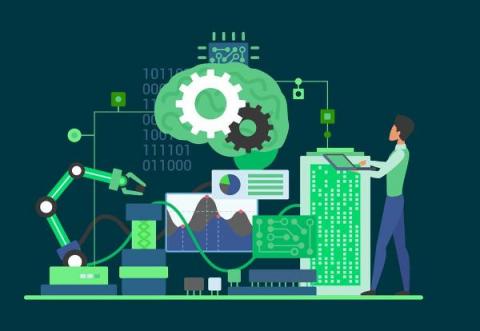
Amid an AI boom and developing research, machine learning (ML) models such as OpenAI’s ChatGPT and Midjourney’s generative text-to-image model have radically shifted the natural language processing (NLP) and image processing landscape. Due to this new and powerful technology, developing and deploying ML models has quickly become the new frontier for software development.
By storing copies of your content in geographically distributed servers, content delivery networks (CDNs) enable you to extend the reach of your app without sacrificing performance. CDNs lessen the demand on individual web hosts by increasing the number and regional spread of servers that are able to respond to incoming requests for cached content. As a result, they can deliver web content faster and provide a better experience for your end users.
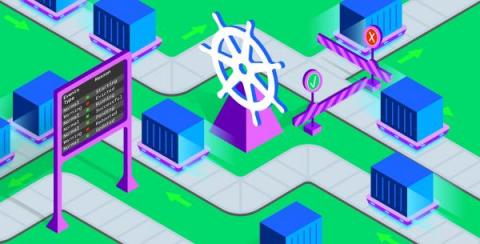
When Kubernetes components like nodes, pods, or containers change state—for example, if a pod transitions from pending to running—they automatically generate objects called events to document the change. Events provide key information about the health and status of your clusters—for example, they inform you if container creations are failing, or if pods are being rescheduled again and again. Monitoring these events can help you troubleshoot issues affecting your infrastructure.