Operations | Monitoring | ITSM | DevOps | Cloud

How to choose the right cloud provider?

With the need for cloud computing and cloud-native technologies, many businesses are moving workloads to the cloud. Hence, there will be a need for a cloud service provider. This blog will cover the steps to choosing the perfect cloud provider and how a multi-cloud approach can reduce costs. In our meetup with Mark Boost, Dinesh Majrekar, and Saiyam Pathak, they discussed the current state of the cloud industry, why costs are so high, how to reduce your spending, and looking at how Civo can help.


The Lunar Lobster has landed ahead of Ubuntu 23.04

Astrologers will be excited to discover a new constellation has appeared in the night sky ahead of the Ubuntu 23.04 launch next month. A rising Lunar Lobster is rumoured to bring good luck to IT managers looking to deploy and manage Ubuntu Desktop at scale. Also ascendant are Ubuntu gamers as the Steam snap moves closer to a stable release.

Better ROI on Your Microsoft Teams Rooms Investment

Putting money into your Microsoft Teams Rooms (MTR) makes a lot of sense in the modern workplace. But with rising costs in almost every piece of equipment needed to set an MTR up, how can your business improve its return on investment, and make that outlay more enticing? Microsoft Teams conference room equipment quickly becomes expensive, particularly if you are fitting out multiple spaces in multiple locations.

How Taking Inventory of Your Network's Assets Can Benefit Your IT Workers

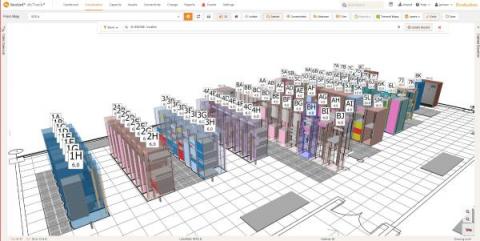
The ABCs of IT Infrastructure Monitoring (ITIM)—the Letter I is for Inventory of Assets. "Doing inventory" is probably one phrase retail and hospitality workers loathe. For many workers in these jobs, physically counting items can sometimes be an overnight job. For others in similar positions, it can make for an arduous all-day task while tending to customers' needs. However, despite the time it takes, it is still essential. How else will managers know which items to order for their store?

8 SRE Best Practices to Help Developers Troubleshoot Kubernetes

Maintaining reliable Kubernetes systems is not easy, especially for people who are not Kubernetes experts. This blog, part 2 of 3 in the “8 SRE Best Practices to Help Developers Troubleshoot Kubernetes” series, explains 8 simple best practices SREs can follow to help developers and other SREs build knowledge and effectively troubleshoot issues in applications running on Kubernetes.

Using Rollbar for Performance Monitoring

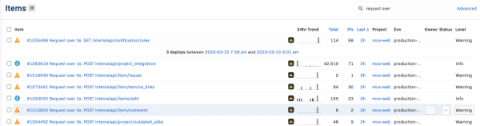
Rollbar allows you to gain real-time visibility into exceptions and crashes in your applications and act on them quickly and easily. An important piece of any application is knowing if transactions are executing slower or below a certain threshold. Rollbar provides an easy method to send this data to be processed quickly and easily inside your existing Rollbar project.

Network Performance Monitoring Tools: Choose Your Fighter - Network Edition

Ladies and gentlemen, get ready to rumble! It's time to enter the ring and choose your fighter in the world of network performance monitoring tools. In this corner, we have the classic heavyweight contenders like SNMP and packet sniffers. And in the other corner, we have agile newcomers like synthetic monitoring and flow analysis. It's a battle of speed, precision, and power, and only one tool can come out on top.

AWS recognizes Sysdig as an Amazon Linux 2023 Service Ready Partner

Sysdig is pleased to announce that we’re now recognized as Amazon Linux 2023 Ready as part of the Amazon Web Services (AWS) Service Ready Program. Amazon Linux 2023 (AL2023) is the newest Linux operating system from AWS available to support your workloads running on Amazon EC2. The team at Sysdig validated AL2023 with Sysdig Secure and Sysdig Monitor to ensure full support for our container security and cloud-native monitoring capabilities with this latest OS.

How to Configure Monitoring and Alerts for Azure App Service?

Azure App Service is a platform-as-a-service (PaaS) offering from Microsoft Azure that allows developers to efficiently build, deploy, and scale web applications and APIs. It provides a fully managed environment for hosting web applications and APIs, supporting multiple languages and frameworks, such as.NET, Node.js, Python, Java, and more. Microsoft Azure presents many challenges when making an application highly accessible.