Most corporate IT landscapes have a variety of traffic types involved, like cloud, web, and video. With network endpoints interconnected, the performance and risk of handling these traffic types can also increase. Although major solutions can detect threats with predefined signatures, detecting newer attacks requires focusing on communications such as those from API or SaaS applications.
This is the final blog of a three-part blog series on Observability—the challenges and the solutions.
There's never a good time for a service outage. And, from the moment it hits, it starts affecting your stakeholders. Suddenly, essential daily tasks are curtailed while your team enters emergency response mode. However, the surest way to mitigate damages and recover quickly is to follow a set of best practices. It's far better to plan for an outage. But if you wait until it happens before you start developing a response, you will be far behind where you need to be for a quick resolution. This guide will help you create a set of best practices for your organization. This will help you work toward faster and more effective responses.
Are you ready to put on your detective hat and become a master network sleuth? We rely on our network to be the backbone of our businesses. From your Internet, to your VPN, to running VoIP and Unified Communication applications (like Zoom), networks have large responsibilities. But how can you know if your network is performing as it should be? That’s when you perform a network assessment.
Observability is a critical step for digital transformation and cloud journeys. Any enterprise building applications and delivering them to customers is on the hook to keep those applications running smoothly to ensure seamless digital experiences. To gain visibility into a system’s health and performance, there is no real alternative to observability. The stakes are high for getting observability right — poor digital experiences can damage reputations and prevent revenue generation.
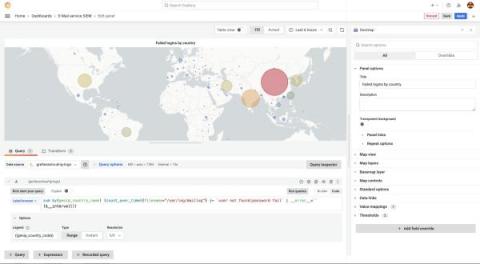
Legacy systems often present a challenge when you try to integrate them with modern monitoring tools, especially when they generate log files that contain personally identifiable information (PII) and IP addresses. Thankfully, Grafana Cloud, which is built to work with modern observability tools and data sources, makes it easy to monitor your legacy environments too.