FireHydrant is now available through AWS Marketplace
AWS Marketplace + FireHydrant: your path to easier compliance, consolidated spend, and faster procurement.


AWS Marketplace + FireHydrant: your path to easier compliance, consolidated spend, and faster procurement.
StormForge Optimize Live is a machine learning-powered performance and resource optimization solution for Kubernetes workloads. Optimize Live ingests and analyzes production observability data and recommends specific actions to optimize CPU and memory utilization. You can take these actions manually or set them to occur automatically, making it easier to maintain a high level of application performance while minimizing cloud costs.
The current popularity of Redis is well deserved; it’s one of the best caching engines available and it addresses numerous use cases – including distributed locking, geospatial indexing, rate limiting, and more. Redis is so widely used today that many major cloud providers, including The Big 3 — offer it as one of their managed services. In this article, we’ll look at how to monitor Redis performance using Prometheus, the similarly popular open-source monitoring system.
With the dawn of microservices and serverless, event-driven architectures have become the way to go when building a new system in the cloud. This approach has allowed for greater scalability, as the system can easily adapt and respond to changes in traffic or demand without having to overhaul the entire architecture. Additionally the Event-driven approach means your application is mainly concerned with routing event data to the right services.
Have you ever wondered how you can help Kubernetes manage your pods in the most efficient way? Kubernetes can do a decent job “out of the box,” but it can be optimized just like any other system. One such optimization in the Kubernetes world is introducing liveness probes, and in this post, you’ll learn everything about them.
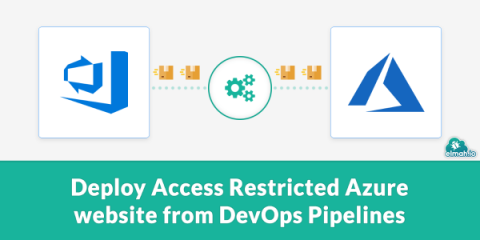
We have a couple of internal websites hosted on Azure. Websites that require authentication and should only be accessed from our IP. This can easily be configured using Access Restrictions in Azure. But when doing so, you exclude the dynamic IP range for Microsoft-hosted Azure DevOps build agents. In this post, I'll show you how we set up deployment to the Access Restricted websites with a bit of PowerShell magic.
Blob Storage is a highly scalable and secure cloud storage solution offered by Microsoft Azure. It allows users to store unstructured data like text, images, videos, and audio files. Accessing Blob Storage is crucial for developers, IT professionals, and business owners who want to manage their data and applications in the cloud. In this article, we will discuss how to access Blob Storage using different methods and tools.
Over the last 18 months at incident.io, we’ve done a lot of migrations. Often, a new feature requires a change to our existing data model. For us to be successful, it’s important that we can seamlessly transition from the old world to the new as quickly as we can. There are few things in software where I’d advocate a ‘one true way,’ but the closest I come is probably migrations. There’s a playbook that we follow to give us the best odds of a smooth switchover.
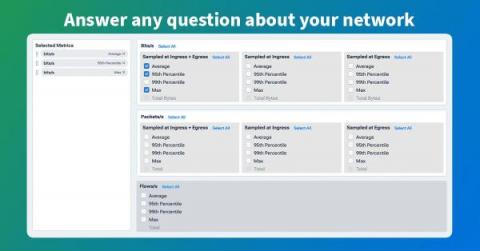
A cornerstone of network observability is the ability to ask any question of your network. That means having an unbound capacity to explore the tremendous amount and variety of network telemetry you collect. It means seeing trends and patterns from a macro level, but it also means getting very granular to pursue any line of analysis of your data. Collecting information from flow records, SNMP, streaming telemetry, BGP, eBPF, and so on is indeed very important.