Operations | Monitoring | ITSM | DevOps | Cloud

Practical Introduction to Prometheus Monitoring in 2023

Prometheus is a powerful open-source monitoring system that can collect metrics from various sources and store them in a time-series database. It is widely used in the industry to monitor and alert the health of applications, servers, and other infrastructure components. In this article, we will provide a practical introduction to Prometheus monitoring and cover the essential concepts and features that you need to know to get started.
How to untangle monitoring noise and leverage observability best practices

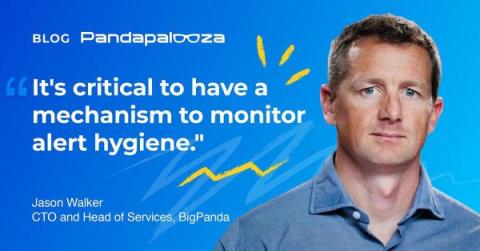
Most organizations suffer from some form of alert noise, shares Adam Blau, senior director of product marketing at BigPanda. “Alert noise is only going to increase as organizations support cloud-native applications spanning multiple public and private clouds, including ephemeral deployments and more. It’s not going to get easier for organizations to understand the signal from all those alerts being sent,” Blau said.

Bracing for Impact: Why a Robust Observability Pipeline is Critical for Security Professionals in 2023

2023 is well underway and now more than ever it’s important to stay ahead of data trends and security concerns that are ever mounting. With the cost of catastrophic cyber attacks estimated to be ten times that of all other disasters combined, businesses need to take proactive measures to implement a security data pipeline to protect their data and comply with security and retention requirements.

What is IoT Device Management?

IoT devices are exponentially growing in number each year, with an anticipated 14.4 billion IoT devices by the end of 2023 up to 27 billion IoT devices by the year 2025. The accelerated growth can be attributed to a variety of positive effects like increased efficiency, productivity, and convenience. However, in order to gain these benefits, these IoT devices need to be managed effectively.

End of Life for Windows Server 2012: What You Need to Know

The last day of support for Windows Server 2012 and Windows Server 2012/R2 is set for October 10, 2023. Microsoft announced, “After this date, these products will no longer receive security updates, non-security updates, bug fixes, technical support, or online technical content updates.” Recently, Windows 7/8/8.1 also reached their end of support. Without continual support from Microsoft, the software becomes less secure and more risky, so they end the life of the product.

What are Managed Cloud Services?

The cloud has fundamentally changed how organizations work with technology. The days of an on-prem infrastructure and endpoints with a physical data center are starting to be seen in the rearview mirror by many businesses, and now nearly half of all corporate data is stored in the cloud. There are multiple factors that have caused this change and increased the transition to the cloud, but one of the main supporting factors that makes this possible is the use of managed cloud services.

Why You Need Endpoint Data Recovery

Data is the currency of today’s digital age. It’s what is most valued by companies, consumers, and (unfortunately) threat actors. Because of this, protecting both organizational and personal data is top priority. It’s also key to remember that data is important, wherever it is. The locations data is stored, like endpoints and servers, differ in the type and amount of data they store.

Announcing the public beta

We are thrilled to announce the public beta of Spectate, a next-gen monitoring and incident management platform. Initially built as an internal tool, Spectate has now been expanded to enable public use. Spectate allows you to monitor your websites, manage incidents and create elegant branded status pages. With Spectate, you can set up custom alerts and notifications that keep you informed about any issues, helping you to identify and address problems quickly with the help of our Incident AI.