Content Learning how to monitor the Kubernetes API server is crucial when running cloud-native applications in Kubernetes environments. The Kubernetes API server can be considered as the front end of the Kubernetes control plane. Any interaction or request from users or internal Kubernetes components with the control plane go through this component. Ensuring you monitor the Kubernetes API server properly is of vital importance to ensure your Kubernetes cluster works as expected.
AppSignal is a strong supporter of open-source technology. We owe so much of our modern world to the unseen, hard-working software developers who build and maintain the many technologies that make everything from reading this article to sending a message from your phone possible. That's why we're investing in OpenTelemetry, the open-source standard for telemetry data collection, rather than developing our own independent standard.
Remember the last time you tried to visit a website or pay a bill and the spinner just kept going and going? That site needed uptime monitoring! “Uptime monitoring” refers to the practice of tracking a website’s availability and performance quality over time. This type of monitoring includes services that report on the availability of a website or server. Monitoring tools ensure that your website or server is running smoothly.
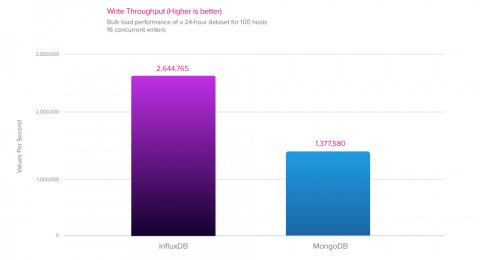
At InfluxData, one of the common questions we regularly get asked by developers and architects alike the last few months is, “How does InfluxDB compare to MongoDB for time series workloads?” This question might be prompted for a few reasons. First, if they’re starting a brand new project and doing the due diligence of evaluating a few solutions head-to-head, it can be helpful in creating their comparison grid.
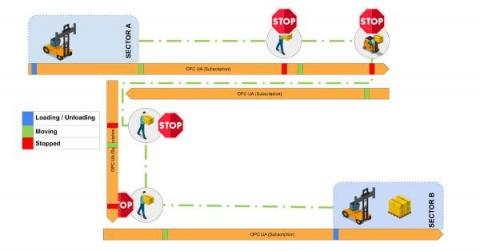
This article would not be possible without the contribution of Lars Stegman. The OPC UA Client Listener Plugin was his own contribution to a long-standing issue. Telegraf now includes a new plugin highly anticipated by the community. The OPC UA Client Listener Plugin. So you might be asking yourself: what is the big deal? There was already an OPC UA Plugin — how is this different?
Today, large enterprises are using multiple cloud providers and technologies. Enterprises dealing with distributed loads on their on-prem infrastructure, private clouds, and public clouds need teams that are versed in writing different CLI commands and scripts in multiple languages and require specialists in these fields. Unfortunately, all of this bears a hidden cost since the company has to train its employees in multiple technology stacks to manage different infrastructures.