Equipment management does not always mean providing maintenance when it is broken. It includes lots of activities that need to be done regularly. However, it becomes quite hectic when there are pieces of equipment in abundance. For equipment managers in the construction industry, it is essential to know which equipment is required at which location. So that, no work operation is halted. This is where equipment management software comes into play!
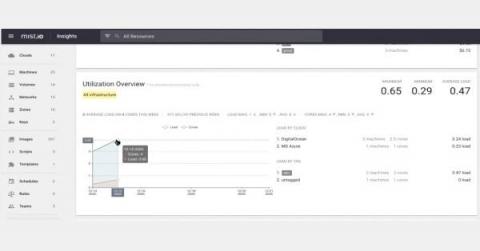
A multicloud strategy is a necessity for modern businesses, as the recent AWS outages made clear, but managing this infrastructure remains a huge challenge. Infrastructure management teams have long struggled to juggle diverse technology solutions, policies and services to get access to a point-in-time view of their resources. The result is either waste through overprovisioning or huge overheads for nitpicking manual management and repetitive tasks.
Monitoring is as important as application development to keep an application running healthy for the best user experience. For this reason, a strong monitoring strategy is essential for your company's success, ensuring that metrics such as constant performance, high availability, and accessibility are never a concern. Many businesses neglect the importance of frontend monitoring for their applications.
In a recent episode of the Cloud Happens podcast, Archana Venkatraman, Associate Research Director in Cloud Data Management at IDC Europe talks about how the cloud isn’t a destination. It’s a continuum; a journey. In this blog, we explore that idea a bit more and dive into what really encapsulates a cloud experience. How can modern enterprises benefit from their cloud journey to solve the most gnarly data challenges to unlock innovation, enhance security, and drive resilience.
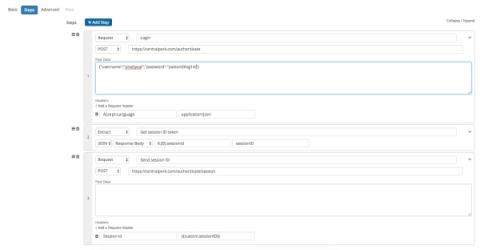
In previous posts we covered why it’s important to monitor APIs and how to monitor and validate data from APIs. In this post we’ll focus on a simple but key feature that helps Splunk Synthetic Monitoring users create robust checks for availability, response time, and multi-step processes: Request Headers
What do big mountain ascents and modern network operations have in common? You’ll only succeed when you’re learning from experience. This was one among many compelling takeaways that attendees took from our recent NetOps Summit. Centered on the theme “visibility anywhere,” this event featured a number of compelling presentations, including a keynote from Jimmy Chin, the professional climber, photographer, and Academy Award-winning filmmaker.
Most folks familiar with BigPanda know that automation is a foundational block of our technology. Our platform automates the entire events pipeline with functions including standardizing and deduplicating alerts, cutting down on the volume of incidents, and automated enrichment that provides better context and alert payloads. But these are all part of an inbound flow of events through integrations.