Operations | Monitoring | ITSM | DevOps | Cloud

10 Best IT Management Software

IT management software plays a critical role in ensuring operational efficiency for businesses and supporting remote workers. IT management encompasses a wide range of tools designed to support IT professionals, help organizations enhance the security of their IT infrastructure, and optimize the use of all hardware and software assets. IT management software also equips businesses with tools like regular patching and backups to strengthen the security and resilience of their IT infrastructure.

The Top 10 System Monitoring Tools

System monitoring can be viewed as being closely related to infrastructure monitoring, but there are differences between the two concepts, particularly with their scopes within the realm of IT monitoring. Infrastructure monitoring concentrates on monitoring the physical and virtual components of an IT environment, such as servers, networks, storage systems, and cloud services.

How to Build a Mobile-First Security Strategy

Mobile devices have radically changed the way we work and collaborate. But along with the exponential growth in the use of smartphones and mobile apps has come a surge in vulnerabilities and exploits. The power of mobile communication allows work to be done anywhere, anytime, by employees who are accessing ever-higher volumes of data to do their jobs.

Have You Done Your Spring Cleaning (Of Agents)?

While spring is traditionally the time for tidying up for most folks, IT and Security teams know it is important always to maintain a clean, streamlined environment. However, we understand that doesn’t always happen with growing data volumes, stagnant budgets, and changing organizational priorities. This blog is to help you understand if you are properly overdue for a clean-up.

Parallelizing with Playwright: A Scalable Win for Cribl.Cloud

An oft-forgotten component of robust, production-ready code is testing. The moat protects us from costly service interruptions and fortifies trust in our product with our customers. Simply put, it’s in the critical path of damn good software. However, as we scale a cloud product to serve a rapidly growing user base, our test case scenarios scale correspondingly. As far as testing goes, end-to-end (E2E) testing most closely mirrors the end-user experience.

Celebrating Türk Telekom's Win for DCIM/DC Management Innovation of the Year at DCS Awards 2024

We are thrilled to congratulate Türk Telekom for their outstanding achievement in winning the DCIM/DC Management Innovation of the Year award at the DCS Awards 2024. This recognition is a testament to their exceptional commitment to innovation, customer satisfaction, and operational excellence in the data center industry. The DCS Awards recognize success stories, technological advancements, and significant contributions in the data center industry.

What is Developer Experience (DevEx) and Why It Matters?

Developer Experience (DevEx) has rapidly gained attention and emerged as a pivotal factor influencing not only the efficacy of software creation but also the overall satisfaction and productivity of developers. But what exactly is DevEx, and why is it so crucial? In this article I will address the multifaceted nature of DevEx, exploring its significance, components, and practical strategies to enhance it.

Life beyond Xamarin - the future of mobile development

In the latest Founder & Friends episode, Raygun CEO John-Daniel Trask (JD) sat down with Matthew Richardson, the Director at Velocity Engineering Systems, to discuss the future of cross-platform mobile development. This article summarizes their key insights for software developers considering a move away from Xamarin. The discussion covers four main alternatives: We’ll explore the pros and cons of each option, focusing on.
Sponsored Post

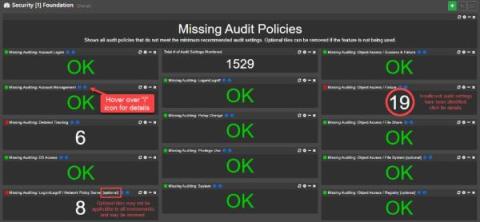
EventSentry 5.1.1.104: Security, Security, Security!

Everybody wants to have a more secure network – and everybody has various tools at their disposal to at least improve the security of their network. But which tool is the best for the job, and where do you start? The answer to this question is somewhat easier (and more structured) for organizations that have to adhere to compliance frameworks (ISO, CMMC, PCI, SOC, …), but a little harder for business that have no such requirements.