Operations | Monitoring | ITSM | DevOps | Cloud

Discover the Root Cause of Your Cloud Spend Issue

If you’re sick with a cold then measuring your body temperature is a wise move or maybe if things are really bad a visit to a doctor might result in testing vs. what are considered “normal” levels in order to diagnose the issue; seasonal flu or infection? To improve our health after picking up a bad bug, we do things that affect our situation back to normal levels once again where we can then declare ourselves healthy.

An Overview of the Essential Observability Metrics

Metrics are closely associated with cloud infrastructure monitoring or application performance monitoring – we monitor metrics like infrastructure CPU and request latency to understand how our services are responding to changes in the system, which is a good way to surface new production issues. As many teams transition to observability, collecting metric data isn’t enough.

Top three scorecards every organization needs for operational efficiency

Efficiency has always been a goal for organizations, but recent economic headwinds have made it a priority. Budgets have been stretched especially thin recently, leading many organizations to focus on improving operational efficiency. Bugs, security incidents and unreliable services can all slow your organization down and distract from delivering on your priorities. Cortex helps you minimize these distractions with its scorecard feature.

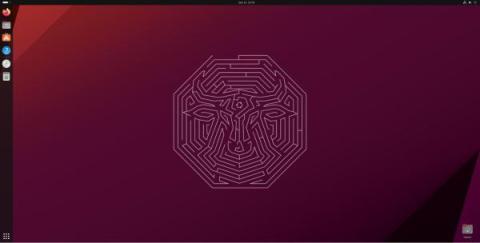
Canonical releases Ubuntu 23.10 Mantic Minotaur

Today Canonical announced the release of Ubuntu 23.10, codenamed “Mantic Minotaur”, available to download and install from https://ubuntu.com/download. “In this release we’ve raised the bar for what secure by default means for Ubuntu and set the stage for our next Long Term Supported release.” said Oliver Smith, Senior Product Manager for Ubuntu at Canonical.

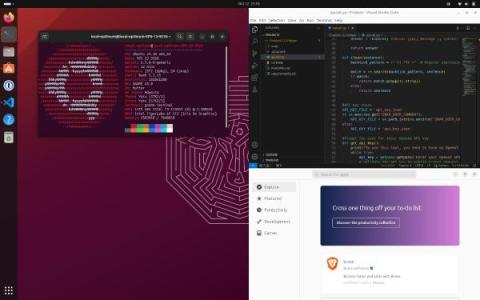
Ubuntu Desktop 23.10: Mantic Minotaur deep dive

The last interim release before an LTS (Long Term Supported release for those new to the Ubuntu terminology) is a particularly exciting time. This is the release where the team aims to land as many major changes as possible to ensure that the community has the chance to take them for a spin and provide feedback for further refinement ahead of Ubuntu 24.04 LTS. These features span the entire Ubuntu Desktop stack, from the user interface, to software management, to core security and architectural changes.

Why Cloud Unit Economics Matter

In our first blog post, we introduced the concept of cloud unit economics—a system to measure cost and usage metrics. It helps maximize cloud value for better outcomes per dollar spent. We reviewed what cloud unit economics is, why it’s crucial to FinOps success, and how it enables organizations to unlock the full business value potential of cloud computing.

Migrating 1 billion log lines from OpenSearch to Elasticsearch

What are the current options to migrate from OpenSearch to Elasticsearch®? OpenSearch is a fork of Elasticsearch 7.10 that has diverged quite a bit from itself lately, resulting in a different set of features and also different performance, as this benchmark shows (hint: it’s currently much slower than Elasticsearch).

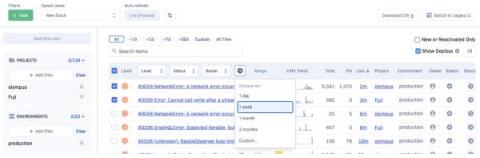
Introducing Item Snooze

We are introducing a new Snooze option for items. When Snoozing an item, the user will define how long an item will stop sending notifications for - once that time period expires then the item will return to normal and begin sending notifications again. Currently, setting an Item to have a status of Muted prevents notifications from being sent until somebody changes the status back to Active.

What Is Continuous Security Monitoring Software?

Many DevOps teams work proactively to meet security and compliance standards. They consider security best practices when developing software with open source components, scanning code for vulnerabilities, deploying changes, and maintaining applications and infrastructure. Security is a key feature of many of the tools they’re using, and the policies and industry standards they’re following.