Operations | Monitoring | ITSM | DevOps | Cloud

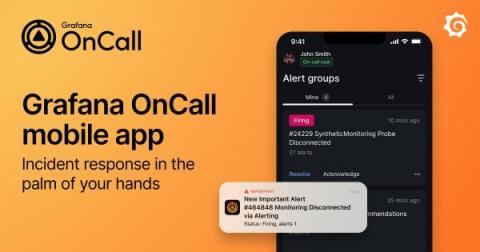
On-call management on the go: Introducing the Grafana OnCall mobile app

We’ve all been there: Sleeping peacefully in bed over the weekend, finally getting rest after a long week at your computer making AI-generated memes writing code. Then at 3 a.m., your phone makes an ungodly sound, and you wake up startled, frazzled, and confused. When you finally type in your passcode to unlock your phone (because facial recognition doesn’t register your bleary-eyed, squinty face), you see an alert, and all dreams of sleep are over.


ITIL Service Transition, Explained

ITIL Service transition is the third stage of the service lifecycle. It involves transitioning the services that were created and developed in strategy and design – first and second stage of the cycle – into the production environment effectively, efficiently, and safely. This stage deals with everything from preparing for change to documenting the components of the asset that make up the service to creating knowledge articles for support teams and end users.

SD-WAN: Monitoring Blind Spots, and What to Do About Them

The adoption of software-defined wide area network (SD-WAN) technologies continues to pick up pace. By employing SD-WAN technologies, organizations have the potential to realize a range of advantages. Teams can achieve better performance while using lower cost, using commercially-available technologies. For example, teams can use public internet services rather than more expensive private WAN technologies, such as MPLS.

How Honeycomb Monitors Kubernetes

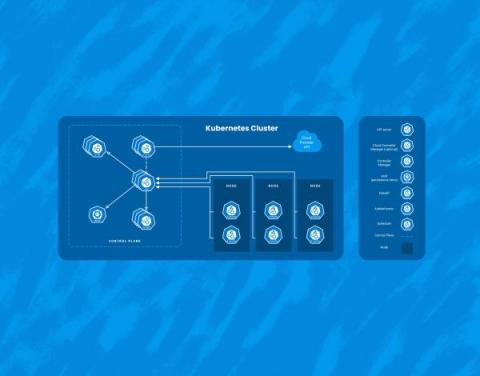
While Kubernetes comes with a number of benefits, it’s yet another piece of infrastructure that needs to be managed. Here, I’ll talk about three interesting ways that Honeycomb uses Honeycomb to get insight into our Kubernetes clusters. It’s worth calling out that we at Honeycomb use Amazon EKS to manage the control plane of our cluster, so this document will focus on monitoring Kubernetes as a consumer of a managed service.

Logic App Best Practices, Tips, and Tricks: #30 How to validate if a JSON structure is an Array or a single object

In the last two posts, we addressed validating whether a string or an array was null or empty. Today we will continue on the same topic, validations, and I will speak about another good Best practice, Tips, and Tricks that you must consider while designing your business processes (Logic Apps): How to validate if a JSON structure is an Array or a single object.

Enable preconfigured alerts with Recommended Monitors for Azure

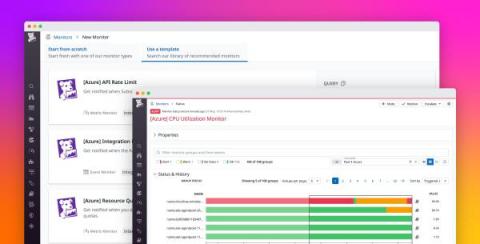
As a new Datadog customer, your top priority is figuring out how to maximize the platform’s potential and deliver value to your organization quickly and seamlessly. But with a plethora of options and configurations available at your disposal, it can be overwhelming to determine where to begin. With Datadog, you don’t need to be an expert in observability or monitoring to get up and running efficiently.

Optimize your frontend monitoring strategy with Datadog Synthetic Monitoring and RUM

Testing enables you to proactively identify and resolve issues before they break critical functionality in your application, which is essential to ensuring an optimized user experience (UX). However, if you don’t know how users are actually interacting with your application, key user journeys may go untested. This lack of visibility can lead to a proliferation of unoptimized features in your UI, causing users to drop off before completing important actions.

Introducing the New Batch Reprocess Tool

At BugSplat, we're constantly searching for ways to help our users save time and energy while fixing crashes. We do this by providing them with more tools to quickly identify the underlying defects that cause problems in their apps. In that vein, we're excited to introduce the Batch Reprocess Tool (view technical doc here), a new feature that allows users to quickly select a set of crashes and have them reprocessed in bulk.

Manage your incidents with the new ilert integration

Hello, SREs, DevOps engineers, and developers! We have some news! At Checkly, we understand the importance of proactive monitoring and quick incident resolution in maintaining your apps’ reliability and performance. Have you heard of ilert? ilert is the incident response platform made for DevOps teams. It helps organizations efficiently respond to, communicate and resolve incidents in real-time by offering advanced alerting, on-call management, and status pages.