Operations | Monitoring | ITSM | DevOps | Cloud

The Ultimate Guide to Automating and Mobilizing Your Secops Processes with Derdack SIGNL4 and Microsoft Sentinel

The threat and security landscape is becoming increasingly cluttered. As incidents increase, so do alerts and notifications, leading to too many alerts and too few hours to address them. Many businesses work remote and with the ever-present smartphones, we are always on the go. Yet it is essential that security teams receive and prioritize meaningful threats, but that task is easier said than done.


The Pros and Cons of RFID vs. QR Codes for Asset Management

Asset management is critical to the success of any organization, and with advancements in technology, organizations now have more options than ever for tracking and managing their assets. Two popular technologies used for asset management are Radio Frequency Identification (RFID) and Quick Response (QR) codes. While both technologies have their benefits and drawbacks, choosing the right one for your organization can have a significant impact on your asset management practices.

Productivity Hacks for Facility Management Professionals

In the fast-paced and demanding field of facility management, it's essential to maximize productivity, streamline operations, and deliver exceptional results. Whether you are responsible for maintaining a commercial building, overseeing a healthcare facility, or managing a corporate campus, mastering productivity techniques can significantly impact your success.

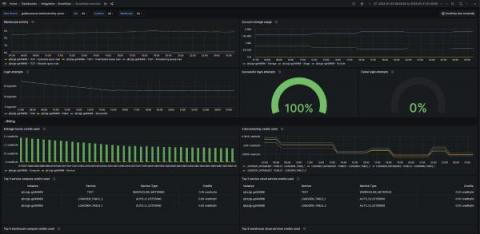
How to monitor Snowflake with Grafana Cloud

Snowflake is a cloud-based data warehousing platform that allows organizations to store, manage, and analyze large amounts of data. It offers a scalable, secure, and highly available solution that separates storage and computing resources. We already offer the Snowflake datasource plugin, which allows you to query and visualize data from your Snowflake Data Cloud on your Grafana dashboards.

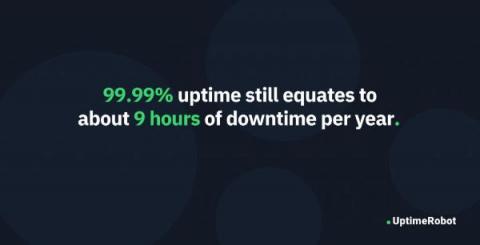
What Does 99.99% Uptime Really Mean?

Let’s face it, in today’s always-on digital world, a minute without access to a website or service can feel like a lifetime. You’ve probably heard the term “99.99% uptime” before. It’s an important factor for providers (such as hosting or app providers) and key to improving a website’s reliability and a company’s customer satisfaction. But when your service provider promises an amazing 99.99% uptime, have you ever paused to ask what it really means?

The most important infrastructure monitoring requirements

When setting up new monitoring software or migrating, it’s important to have a strong backbone in place for the systems, so you can cover as many services with as little manual burden as possible. Of course, defining the resources – like HTTP, SSH, etc. services or entire host systems – is one of the first things that comes to mind.

What Are Service Knowledge Management Systems (SKMS) in ITIL?

The Knowledge Management practice is at the core of ITIL 4 processes; and the Service Knowledge Management System (SKMS) is a fundamental tenet of it. SKMS is an essential system for all service-oriented organizations. Implemented correctly, it centralizes service information and shares important knowledge, as well as reducing incidents, outstanding problems, performance issues, and downtime.

What is Remote IT Support? Definition, Scope, and Tools

In the last few years, remote IT support has become a central part of IT Service Management (ITSM). With the amount of remote work significantly increasing in a wide range of industries over the last years, the need to provide support from and to different locations has become a must. It also has also become substantial to enterprises as they start getting larger in employees and facilities.

Achieving High Availability (HA) Redis Kubernetes clusters with Calico Clustermesh in Microsoft AKS

According to the recent Datadog report on real world container usage, Redis is among the top 5 technologies used in containerized workloads running on Kubernetes. Redis database is deployed across multi-region clusters to be Highly Available(HA) to a microservices application.

Updating Your Tools for API Scopes

The PagerDuty REST API provides 200+ endpoints for users to programmatically access objects and workflows in the PagerDuty platform. Teams leverage these APIs to streamline creating and managing users, teams, services and other components for their environment. Up until now, access to the REST API has been authorized and authenticated via API Keys.