Global cyberattacks increased by 38% in 2022 (Source). And because attacks are not only becoming more common, as well as difficult to detect, 65% of organizations plan to increase their cybersecurity spending in 2023 (Source). Even so, hackers will continue to hone their skills and exploit vulnerabilities. Successful ransomware attacks will happen. Theft and sale of personally identifiable information (PII) and other “valuables” on the dark web will happen.
Building high quality, performant mobile apps is hard. Developers need to keep up with rapidly changing technologies, high user expectations, and competitive app stores. We sat down with Julius Skripkauskas and Walt Leung to discuss how mobile developers can build better mobile experiences, including choosing the right technology, focusing on the right KPIs, and staying on top of trends in device formats and AI.
April was a month to remember at incident.io. Not only did we attend our second conference ever with KubeCon in Amsterdam, but we also very subtly released our brand-new Status Pages product. OK, it probably wasn't subtle. Both moments required months of preparation, feedback loops, iteration, and so much more behind-the-scenes work to get right. So if you ran into us at KubeCon, thank you for stopping by and meeting with our team.
In today’s fast-paced digital landscape, businesses heavily rely on their IT departments to ensure smooth operations and deliver exceptional customer experiences. When it comes to IT support, one critical metric stands out: response time. A prompt and efficient response can be the difference between a satisfied customer and a frustrated one. In this blog post, we will explore strategies to improve IT response times, enhance customer satisfaction, and optimize overall productivity.
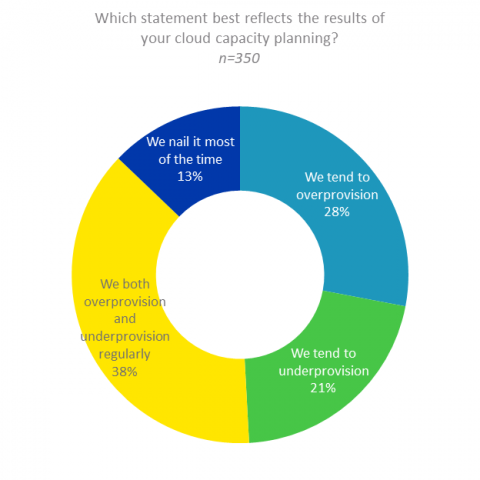
The goal of capacity planning is to match resources with demand. There are essentially three outcomes from this analysis. You can underestimate the resources you need (underprovision), which can hurt performance. You can overestimate (overprovision), which adds unnecessary costs. Or you can get it just right (rightsized). And, of course, you want to be rightsized at the lowest possible cost. Because many factors go into cloud capacity planning, it can feel like more of an art than a science.
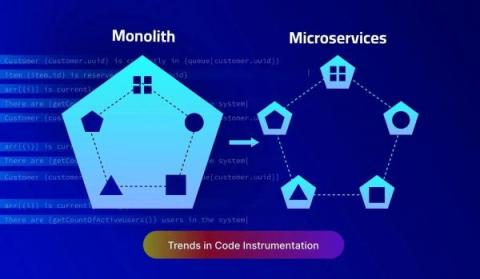
Software architectures are greatly influenced by the size and scale of the software applications. With growing size, the code base becomes complex. With scale, the deployment becomes challenging. The result: debugging becomes an increasingly time-consuming process for developers.