Kubernetes is pushing out of the data center into stores, networks and factories. DevOps teams are excited about Kubernetes because it provides predictable operations and a cloud-like provisioning experience on just about any infrastructure. For the last year Rancher Labs has been working with organizations to create a lightweight implementation of Kubernetes that is easy to operate and can run on x86 and ARM infrastructure without using more than 512 MB of memory.
In this episode, Head Geeks™ Destiny Bertucci and Thomas LaRock will show you how to ward off security dangers using SolarWinds software. See how SQL injection can be rooted out and how access rights compliance is a headache of the past. All while using Log & Event Manager with a little help from Access Rights Manager.
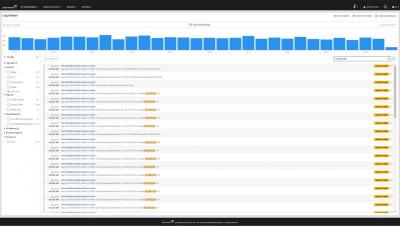
When it comes to log management, there are a lot of options out there. However, when our product team worked with IT pros, we often heard that existing options were too complex and too expensive. Log Analyzer is designed to make it easy to collect log data and view, search, and alert on those logs, all at an affordable price.
Slow is the new down. Don't let slow application and server performance affect your end users and business services. SolarWinds Server & Application Monitor (SAM) is an affordable and easy-to-use systems management software designed to provide deep visibility into application and server (physical and virtual) performance issues for proactive performance alerting and faster troubleshooting.
Kubernetes is a powerful, open source, container orchestration/cluster management tool that helps you manage and deploy your containerized application and services on a cluster of machines. Operationalizing Kubernetes involves many different pieces, but a very important aspect is management of the containers and using Helm to build charts for your Kubernetes deployments.
Containers help teams develop, package, and deploy software in environments ranging from personal laptops to data centers. They can help improve release velocity, reduce resource consumption, and encourage modular, flexible application design. However, migrating existing applications to containers is not without logistical challenges.