Operations | Monitoring | ITSM | DevOps | Cloud

AI can't correlate what was never standardized

Steve Flanders (Senior Director of Engineering, Splunk) makes the case that AI can't save an observability stack that never agreed on a standard. Mix formats across metrics and logs, and AI stops correlating and starts guessing, which means you either make the wrong call or miss the answer you actually needed. OpenTelemetry is one fix, but Prometheus and Fluentd work too. The standard matters more than which one you pick.

Homelab AI SRE Agent: AURA Debugs Container Permissions in Docker

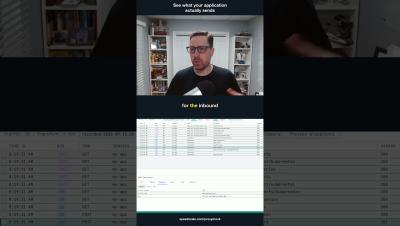
A root cause is not a fix. AURA keeps working the problem, taking what you find on the host and coming back with the user ID mismatch behind the failure. What follows a root cause is normally manual: check the mount, compare ownership on the host against the user inside the container, and get it wrong at least once before it lands.

Paste a Slack Bug Report into an AI SRE Agent: AURA Finds the Cause

A coworker says checkout is broken and nothing else. That is the whole prompt. AURA reads the live logs and comes back with the payment service. Normally a message like this is the start of guessing at a service and opening dashboards until something looks wrong. Here it is the entire input: no service named, no error string, no time range.

Open source for Europe's space missions

Every space mission begins long before launch day. Ideas become spacecraft. Thousands of decisions are made before a single engine ignites. The European Space Agency (ESA) knows what that journey looks like. As the agency prepares to increase the missions it supports by 2030, it is laying the groundwork for decades of future exploration. Working with Canonical, ESA is building a common platform for mission operations based on open source. Kubernetes, Ceph, PostgreSQL, and Kafka form ESA’s infrastructure foundation.