The latest News and Information on Log Management, Log Analytics and related technologies.
In these times of remote teamwork, the pressure on IT teams is at its peak. So how can you ensure teams function well and conditions are good when working remotely? How do you ensure that the IT Ops teams can support the business as per usual? VPN, office suite, critical applications, videoconference, etc. The list of priorities change, new business apps need to be added while your kids and their endless energy become your face to face office colleagues. :)
As Washington and the nation reel from the spread of COVID-19, public servants across the country are quickly adapting to the “new normal.” As described in OMB’s March 23rd memo to agency and department heads, harnessing technology to support mission continuity should be a priority.
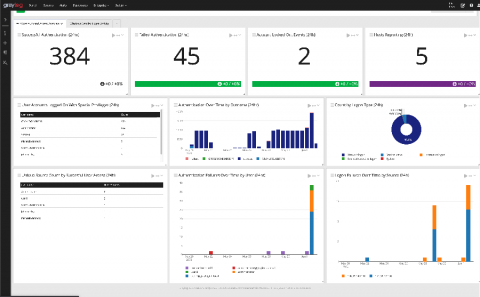
Welcome to the new world, my friends. Now that working from home is our new reality, we've found that many of our customers are taking a much closer look at the technology that binds us all together and allows us to access corporate resources: the humble VPN. In the spirit of enablement, I’ve put together a quick list of dashboards that can help add that extra bit of visibility for our faithful Splunk Enterprise Security customers.
Go has built-in features to make it easier for programmers to implement logging. Third parties have also built additional tools to make logging easier. What's the difference between them? Which should you choose? In this article Ayooluwa Isaiah describes both of these and discusses when you'd prefer one over the other.
It has been a little over 2 months since 1.3.0 was released. We started prepping for the 1.4.0 release several weeks ago; however, when I was writing this very blog post for the release, we discovered some confusing stats from the new statistics objects (which we’ll talk about in a bit). After sorting that out, we played the usual game of, “Wait, don’t release yet!
Consider for a moment which fundamental pieces of technology enable the modern web. Odds are, you’re thinking about things like Javascript and HTTP—and yes, they are fundamental parts of the modern web. But, the often-overlooked component of this ecosystem that has truly enabled the web to scale to billions of users and transactions is load balancers.