Operations | Monitoring | ITSM | DevOps | Cloud

The latest News and Information on Service Reliability Engineering and related technologies.
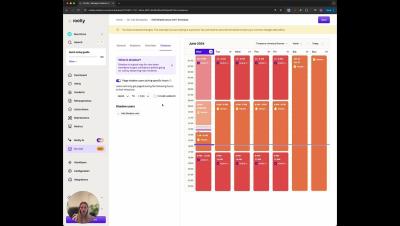
Rootly On-Call: On-Call Shadowing Feature

Shadowing experienced responders is one of the most effective ways for folks who are new to on-call to gain the confidence and knowledge to handle incidents independently. Traditionally, shadow rotations are cumbersome to set up, involving duplicating and editing an existing schedule. For Rootly On-Call users, setting up shadow rotations couldn’t be easier with our new native Shadowing feature. Here are a few highlights.

Beyond MTTR: 7 incident metrics that matter and 3 that don't

Pets.com was an online pet supply retailer founded in 1998, during the dot-com craze. In February 2000, it raised $83 million to go public based mainly on metrics like user acquisition, website traffic, and brand recognition. However, the profit margins were minimal and the marketing costs exorbitant, which led Pets.com to file for bankruptcy nine months after its IPO. The industry now recognizes these metrics as vanity metrics.

Monitoring Third Party Vendors as an Ops Engineer/SRE

Why should you monitor your third-party Cloud and SaaS vendors if you are in SRE/Ops? As part of an SRE team, your primary responsibility is ensuring the reliability of your applications. What makes you responsible for monitoring services that you don't even manage? Third-party services are just like yours - with SLAs. And outages happen, affecting you as well as many others who depend on them.

Convert OpenTelemetry Traces to Metrics using SpanMetrics Connector

What if your have already implemented tracing but lacks robust metrics capabilities? Enter SpanConnector: a tool that bridges this gap by converting trace data into actionable metrics. This post details the workings of SpanConnector, providing a guide on its configuration and implementation.

Round Robin escalation policies: do's and don'ts

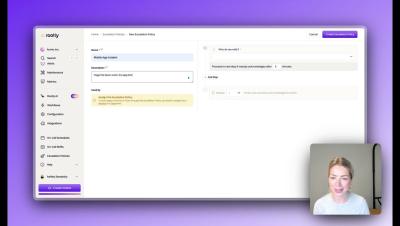
The concept of Round Robin comes from sports. And it has nothing to do with anyone called Robin, but the french word ruban (ribbon). In a Round Robin tournament, all participants face each other by taking turns. When applied to on-call schedules, a Round Robin escalation policy means that responders assigned to a level will take turns responding to alerts. When is this strategy useful and when isn’t?