Operations | Monitoring | ITSM | DevOps | Cloud

Dealing with data glut: Why ROT data is an issue, and how to manage it

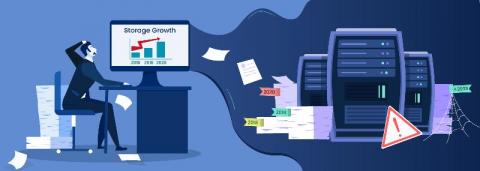
As file storage grows rapidly year after year, new challenges arise around keeping data safe and maintaining control over data storage systems. Who owns which files? Whose files take up what volume of enterprise storage? Which files have become obsolete? How many copies of a file exist, and where? Are there any stale files that contain sensitive data? These questions require up-to-date answers to ensure that business, compliance, and data security needs are easily and effectively met.

All About Trust

One of the biggest roadblocks for getting anyone to listen to what you want them to do is trust, or more accurately, a lack of trust. You could say we’re facing an unprecedented trust deficit in every aspect of life due to the COVID-19 pandemic. Who can we trust to tell us what to do? And can we trust them to do the right thing? This lack of trust can even make us question the motives of those whom we may have trusted in the past.

Data Security for Big Data

Big data security is a term used for all collective measures taken to protect both data and analytical processes from theft, attacks or all other malicious activities. Just like other forms of cybersecurity, big data security is about attacks originating from every online or offline sphere. Companies operating on the cloud face multiple challenges including online information theft, DDoS attacks and ransomware.

How to Determine What Data Privacy Security Controls Your Business Needs

Data breaches and ransomware are two of the biggest concerns businesses have about data security management and control. Data security is implementing the right procedures to protect your data, files, and user information on your network whether it is running locally or in the cloud. When deciding what types of data privacy security controls your business needs, there are several considerations to take into account.

Protecting Patient Data Through Strict Access Rights Management

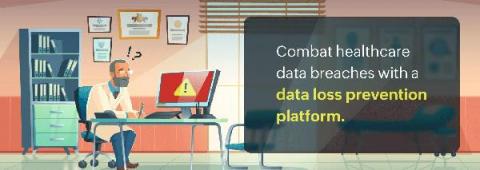
The healthcare ecosystem is complex, and the diversity of the different departments and devices results in a multifaceted IT infrastructure that can be hard to manage. With increasing digitalization, healthcare institutions are also at increased risk of becoming victims of viruses, Trojans, and myriad other cyberattacks. The goal is usually to access the confidential data in the patient file for either financial purposes or malicious intent or damage the critical infrastructure itself.

Data Security and Privacy at Home

With one of the largest threats to a company’s security and privacy being its own employees, having employees work remotely only adds to the risk. While this year’s Verizon Data Breach Investigations Report chalks it up to internal errors rather than intentional malice, the threat remains. Many corporations have sent employees to work from the confines of their homes, creating a greater need for protection against data and security breaches.

Data Security Management and Control 101: What Is Data Loss Prevention?

Companies and businesses of all sizes collect and save all types of data. This data can be valuable to others if it were to be leaked outside the business. Data security management and control using the right data loss prevention (DLP) solutions are necessary to protect this and other types of data. So, what exactly is DLP? In general, DLP consists of the tools, apps, and other data loss prevention techniques businesses implement to keep their data safe and secure.

Data Security and Privacy Techniques for Everyone

Everyone on the internet should follow good data security and privacy practices. And when I say everyone, I mean everyone. IT pros aren’t the only people who need to protect their data. If you’re online in any capacity, there are some basic techniques you should use. I’m not talking about things like encryption and data masking; if I tried to tell my mother about those, she would stare blankly at me.

Ways to Ensure App Security With Java Features

As important as adding new features, app developers need to start placing more emphasis on the security aspect of the applications they design. After all, more app features mean more data residing within an app. Without proper security controls in place, that data can be vulnerable to intruders.