The world has changed since I started out on a help desk in Colorado 25 years ago. In those long ago years, a company’s desktop machines actually lived under the desks of many in the organization (and often doubled as a foot warmer!) and configuration was done machine by machine manually, or maybe even by some script that was created to run at login if we were lucky. If there were laptops in use by the business users, they were a lot less mobile and rarer than in today’s business world...
Nearly two-thirds of IT executives say they plan to implement automation technology within the next year and a half. Despite this ambitious goal, however, 50% of those IT leaders admit that a lack of automation skillsets is currently hindering their progress. As the demand on IT infrastructures continues to grow at an astronomical rate, an epic increase in complexity has inevitably followed.
As ITSM thought leader and consultant Doug Tedder has said, “Automate the obvious.” So what’s obvious? We shouldn’t have to think very long…
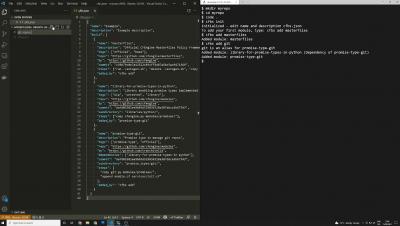
When you write enough Puppet code, you will eventually find yourself in need of a Facter fact or Puppet resource type that doesn’t exist in Puppet itself. Then, if you’re like me, you go to the Puppet Forge and see if someone else has written what you need. Oftentimes, you find what you need, add a new module to your Puppetfile or module metadata, and move on with your life.
You only have to read regular news reports about the multiple outages across household names in banking and financial services, resulting in customers being unable to access their bank accounts, to know that cyber security resilience has never been more important and is on every organization’s radar. The threat of regulatory action, heavy fines, and the potential loss of banking licenses is very real.
The cloud and Electric Vehicles (EVs) have a lot in common. Both are modern, fast, and agile. Both are also in great demand. Every street seems to have an EV parked somewhere. It’s the same with the cloud, which is fast becoming the platform of choice to power enterprise applications. Whether it is public, private, or hybrid, the cloud offers flexibility, security, and low total cost of ownership.