GitOps has been getting traction as a cloud-native approach to continuous deployment, leveraging Git for version control. If executed well, GitOps can bring benefits such as automation of your continuous deployment pipeline, lower downtimes, consistency of workflows, and more.
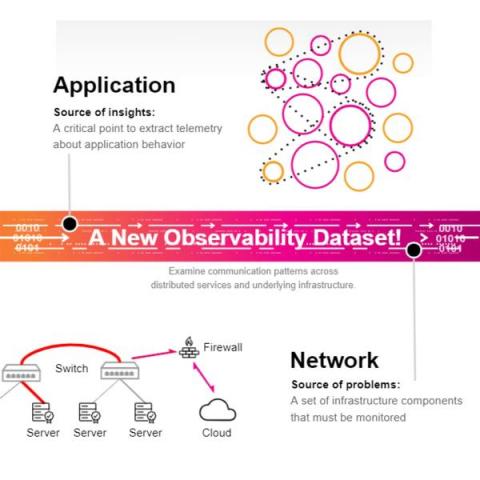
DX NetOps 21.2 network monitoring software continues to innovate and improve the scale, speed, and simplicity of network operations with a focused set of high-value features and capabilities. Exciting new enhancements include increased monitoring scale, telemetry support, expanded SDN and cloud technology coverage, and usability and security updates. SCALE. Networks today handle a lot of data. That's why we are proud to support the largest deployments of networking technologies around the world.
We have a saying at Splunk. It goes something like “if you’re ever having a bad day, go and talk to a customer”. What organizations around the world are doing with their data and Splunk brings a huge smile and an eyebrow raising, positive “can’t quite believe you’ve done that” very-impressed nod of the head. That’s never more true than with our security customers.
Customers have had a lot to say about the new Splunk Observability Cloud since we announced general availability on May 5, 2021. For the first time ever, IT and DevOps teams can get all their data in one place with unified metrics, traces and logs — collected in real time, without sampling and at any scale. What makes Splunk Observability Cloud unique from other solutions? We’ll let our customers do the talking.
Competition for good employees is fierce. Nearly all business leaders (95% according to a 2021 Robert Half study) say it’s challenging to find skilled professionals. So companies must invest in workplace experiences that can attract and retain talent. Competition for sales and market share is also tough, and that means companies must rely on top-tier talent to thrive in the digital era.
The turbulence of 2020 and increased remote working has meant that many businesses across the globe have been forced to make sudden and significant investments in hardware devices to support the working needs of their staff. Hardware companies like Apple, HP and Dell have been seeing a surge in personal computing/device sales to the point of shortages in the market.
When an IT incident negatively impacts employee experience, IT teams rush to remedy the issue – understandably, as a widespread incident can have major effects on employees’ productivity, security, and overall experience. Yet, so many IT teams find themselves drowning in support tickets even as they continue to resolve top call drivers (the incidents that affect the most employees and drive the most support requests).
We’ve all been there: the Zoom call that drops out in the middle of a crucial discussion; the browser application that won’t load when you badly need to access it. Network problems have been around since the dawn of the Internet, and they always will be. But during this recent period of remote working, connectivity issues have become a much bigger threat to workspace productivity and employee experience.