Operations | Monitoring | ITSM | DevOps | Cloud

Security Monitoring: 10 things you need to check right now

One of the most crucial aspects of network monitoring is security monitoring. Security breaches are more common now than ever before. The whole integrity of your network is at stake if even one node gets attacked. This is why it’s vital that businesses rely on a central network security software that continuously monitors the effectiveness of the security measures in place. Having network security tools is just a small part of the bigger picture.

Curb alert noise for better productivity : How-To's and Best Practices

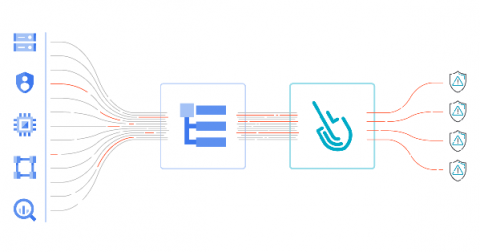
On the quest to provide the best uptime, software platforms depend on complex interconnected microservices. This often leaves them vulnerable to cascading failures creating a massive deluge of alerts from monitoring tools when things go wrong. In this blog, we explore how Squadcast can be configured to curb alert noise for better productivity with the help of the most advanced deduplication features.

Tuning to save resources

Typically when tuning SCOM we talk about saving time and reducing alert noise, but today I’m going to make a quick post on saving database space through tuning. If you’d like to get an idea of what your current database usage is, take a look at this tool from scom2k7.com. This will give you a breakdown of where space is used in the SCOM Data Warehouse.

LogicMonitor Recognized as a Strong Performer in Artificial Intelligence for IT Operations

As our CEO Kevin McGibben stated during LogicMonitor’s Level Up virtual customer conference last month, “LogicMonitor is well on its way to becoming a unified IT observability platform.” As of this morning, we are one step closer to fulfilling our product vision of becoming the most comprehensive, extensible, and intelligent monitoring platform in the world.

How to monitor coreDNS

The most common problems and outages in a Kubernetes cluster come from coreDNS, so learning how to monitor coreDNS is crucial. Imagine that your frontend application suddenly goes down. After some time investigating, you discover it’s not resolving the backend endpoint because the DNS keeps returning 500 error codes. The sooner you can get to this conclusion, the faster you can recover your application.