(This blog post is part of a 5 part series, titled “How to launch IoT devices”. It will cover the key choices and concerns when turning bright IoT ideas into a product in the market. Sign up to the webinar on how to launch IoT devices to get the full story, all in one place.) First part: Why does IoT take so long? Second part: Select the right hardware and foundations Third part: IoT devices and infrastructure
The tutorial for building a Raspberry Pi cluster with MicroK8s is here. This blog is not a tutorial. This blog aims to answer; why? Why would you build a Raspberry Pi cluster with MicroK8s? Here we go a little deeper to understand the hype around Kubernetes, the uses of cluster computing and the capabilities of MicroK8s.
Canonical today announced full enterprise support for Kubernetes 1.18, with support covering Charmed Kubernetes, MicroK8s and kubeadm. Committed to releasing in tandem with upstream Kubernetes, enterprises can benefit from the latest additions to enhance their day to day operations.
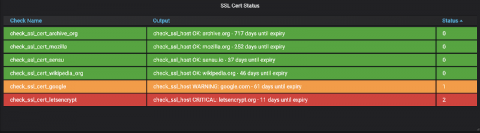
Uh oh, the site’s certificate has expired. How do we generate a new one? Where’s the private key? Which servers need the new cert? What even goes in the cert? If this sounds all too familiar, rest assured you’re not alone. Outages due to expired certs are far too common and it happens to sites of all sizes (one recent example includes Microsoft Teams going down for several hours due to an expired cert). Disruptions like this are entirely preventable with proper monitoring in place.